


By Catherine Tsounis
“On this day in 1913, Drama is liberated from brutal occupation”- July 1, 1913, Athens Bureau. 1
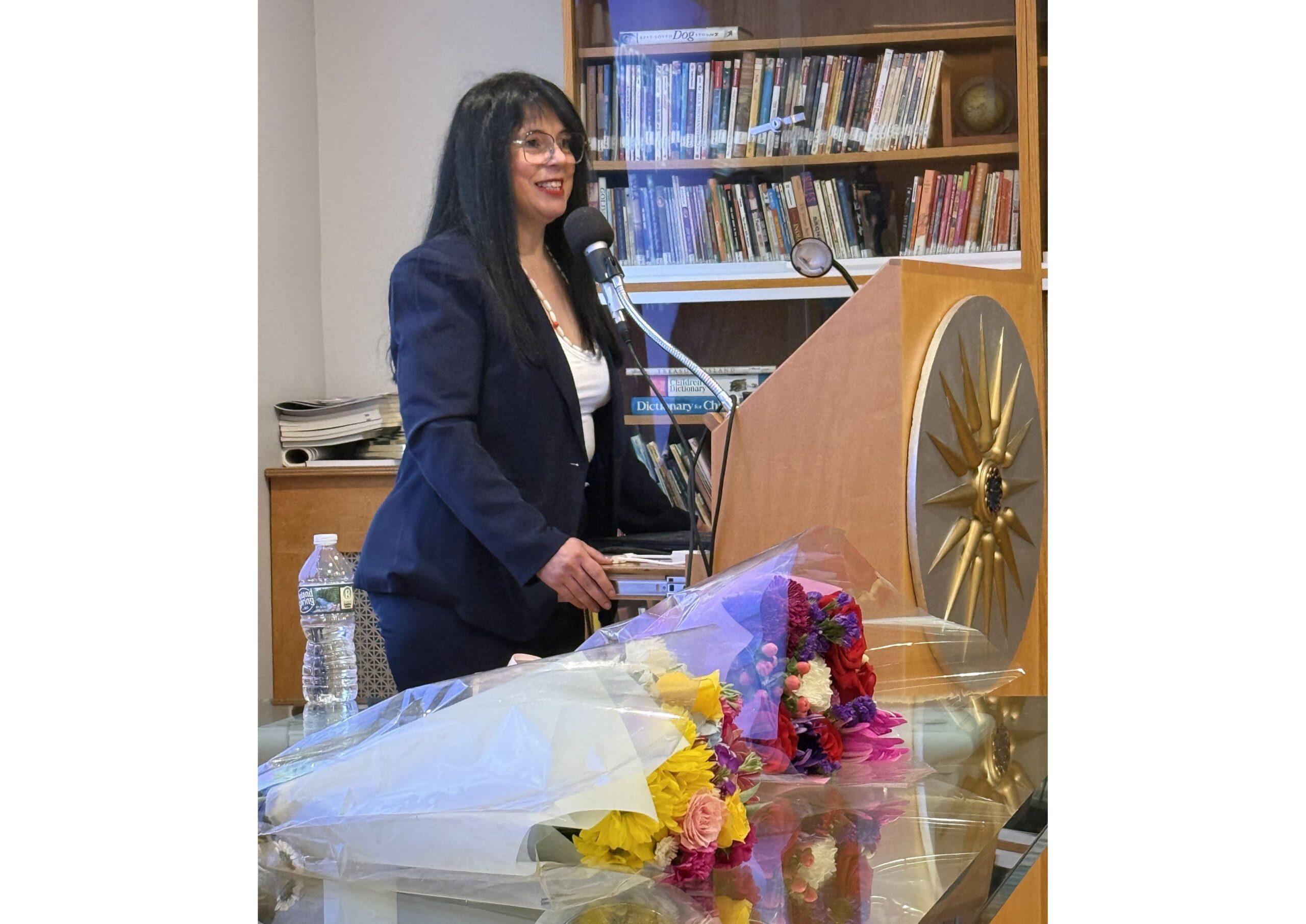
The legacy of self-sacrifice was remembered in a remarkable lecture and dinner by the Association Draminon “Agia Varvara”, on Friday evening, June 19th at the Pan-Macedonian Studies Center, 149-14 14th Avenue Whitestone, NY. Dr. Dimitra Patronidou, Acting Coordinator for Educational Affairs of the Consulate General of Greece in New York
Education Department was the keynote speaker. She gave an impressive PowerPoint presentation with original documents and photographs on July 1,1913 Liberation Day of Drama.
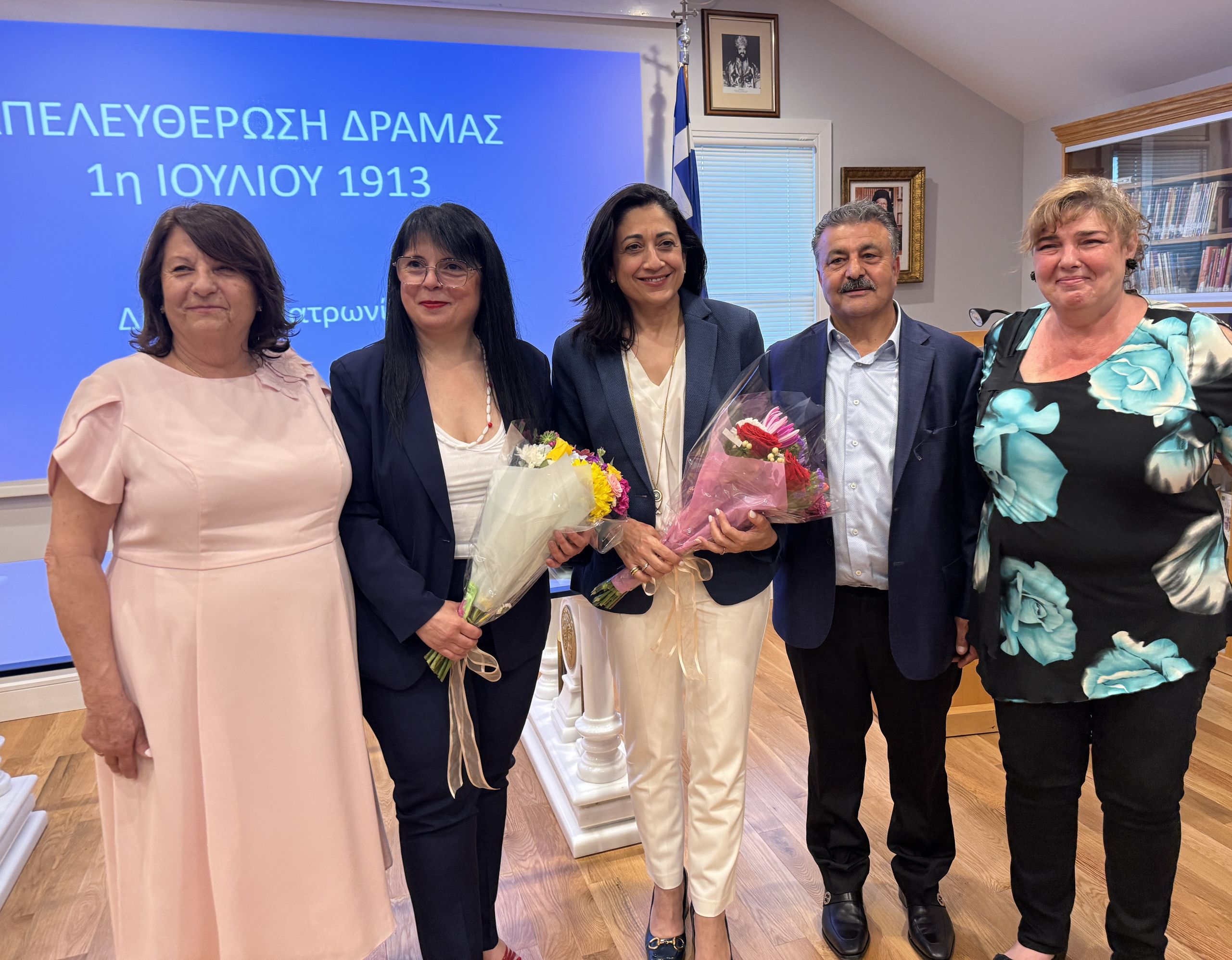
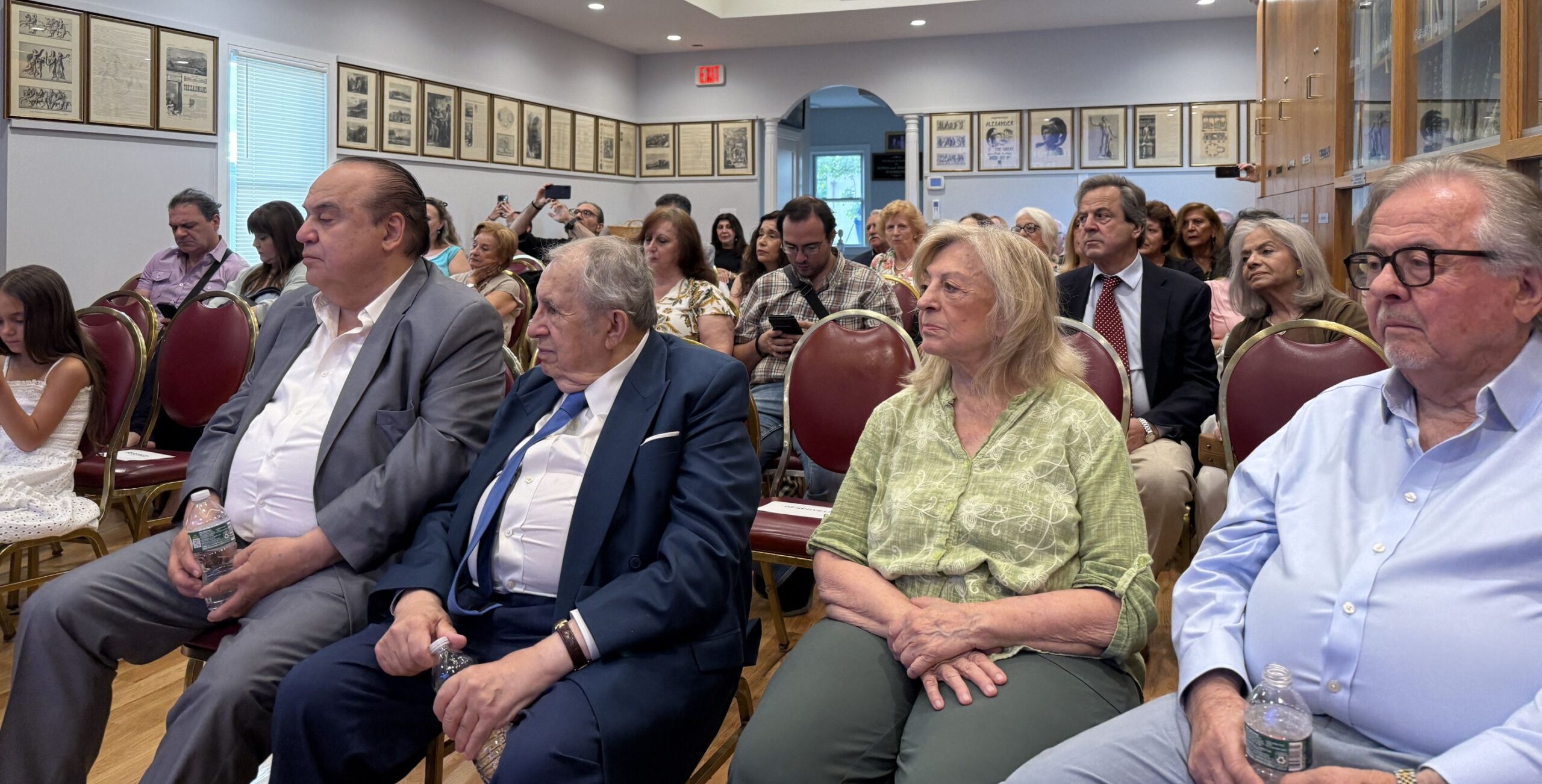
Prominent members who attended included Ms. Ifigenia Kanara, Consul General of Greece, Members of education, business and Greek societies. “Today, we celebrate the Liberation of Drama from the Bulgarians,” said Mrs. Eleni Alexiadis Hatzis. “Drama , our hometown was liberated on July 1, 2013. We are very proud because we have with us today two special ladies born in Drama: Consul General of Greece Ifigenia Kanara, Dr. Dimitra Patronidou, Acting Coordinator for Educational Affairs of the Consulate General of Greece and Secretary Despina Papadopoulou, an engineer who came to New York and joined our Association.“ Mrs. Alexiadis Hatzis is President of the Association Draminon “Agia Varvara” and Chairperson of the event. For more information contact her on
https://www.facebook.com/eleni
On this day in 1913 during the 2nd Balkan War, the Greek Army liberated and triumphantly entered the city of Drama in Macedonia, ending 529 years of Foreign (Turkish and Bulgarian) Occupation. Dr. Patronidou described the sudden Bulgarian attack on Greek and Serbian military divisions on June 16, 1913. This was the beginning of the Second Balkan War. marked the beginning of the Second Balkan War.
The Greek Army was called upon to defend the territories of Macedonia that had just been liberated from Ottoman Turkish occupation during the First Balkan War. Heavy losses were remembered in this short war. The Bulgarians were defeated at Kilkis-Lahana (June 9-21), On June 28, 1913, the General Staff ordered the VII Division of the Greek Army to head for Serres and liberate it, along with Drama and Sidirokastro.
Drama was first captured by the Bulgarians from the Ottomans during the First Balkan War. It became known as the First Bulgarian Occupation. Drama was liberated and united with the Greek state on July 1, 1913, Liberation Day. “We are growing,” said President Alexiadis Hatgis. We all learned about Drama and Macedonia, which is not widely known in this exceptional lecture/dinner free to the public.
What did I get out of this lecture? Macedonia is a jewel, a prize coveted by the land locked people of the Balkans. Who suffered from the Second Balkan War? The average person in the villages and cities wanted to keep their homes and lands and hand them to their children. The Bulgarian guerilla fighters, the komitatzides, was the Bulgarian answer to the Janissary forces of the Ottoman. The Komitatzides committed genocide of entire Greek Orthodox villages for their country.
Macedonia has a common relationship with Epirus, Thrace, Greek Pontus and Asia Minor: their soil is drenched with the blood of the civilian population. Dr. Patronidou used statistics to show that Drama had a diverse population of many communities. “It was a Turkish city with a strong Ottoman, Greek, Jewish, Slavic speaking, Bulgarian and other communities,” said Dr Patronidou. After the second Balkan War, there was a shift with population exchanges from the former Ottoman empire.
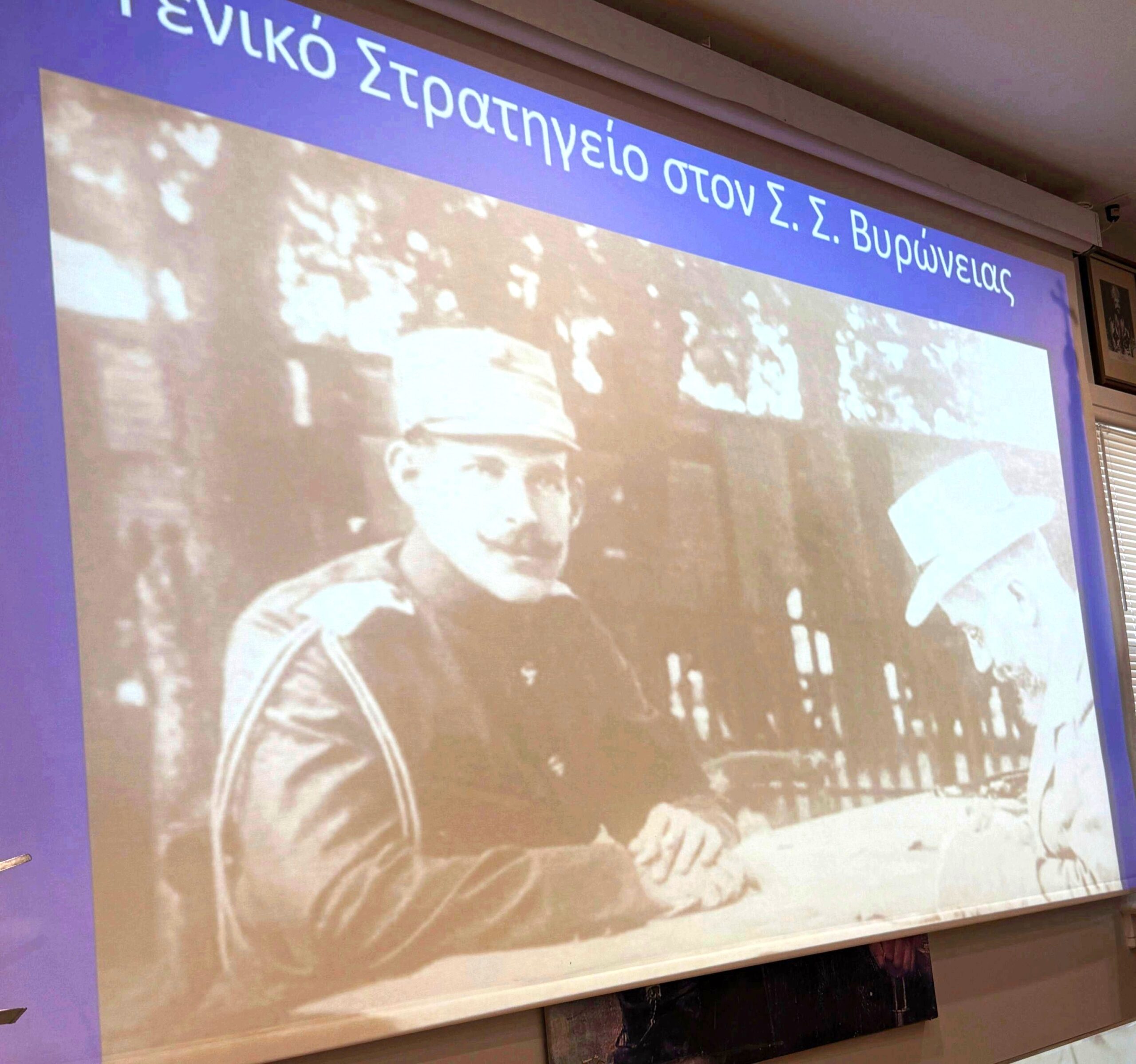
A historic slide showed the King of Greece with Eleftherios Venizelos engaged in military preparations at the Vyroneia Train Station. I used Google/GR to do research. Dr. Patronidou should show this Power Point program with English translation to Greek Americans and Americans.
Dr. Patronidou discussed ”Saranta Ekklisies” in Eastern Thrace near the Bulgarian border. A population exchange to eastern Macedonia took place. I have friends from Saranta Ekklisies who remember their ancestral homes. During the Balkan Wars and World War I, Thrace suffered hardships, extermination, expulsion because Greeks refused to become Turks. Dr. Patronidou got her point effectively across why July 1 Liberation Day of Drama saved all Greek communities.
Representatives of Greek organizations attended. They include: George Kitsos and associates of the Greek American Homeowners; Demetris Tasopoulos, Treasurer of the ALEXANDREON; Chrysoula Zikopoulos and Eva Kantlis of the Society of Epirotes Anagenesis and the Heritage Museum of Epirus; Dr. John G. Siolas, High Council of Education of the Greek Orthodox Church of America; Erini Tsiaris singer and Mpampis Sampelidis musician, owners of greekartcorner; Maria Carvelas, community activist; Heidi Moustakos, Banker; Mr. and Mrs. Christo Vournas, Xidias family of Geros tou Morea chapter of the Pan Arcadian Federation and others. Demetrios Hatzis and committee did public relations with assistant photographer Melina Hatziz. Visit Dramion.com and YouTube for information.
Reference:
1. https://greekcitytimes.com/202

 Please wait...