


By Aphrodite Kotrotsios, Special to the Hellenic News of America
Oxi Day marks a pivotal moment in history when one Greek man’s response to an ultimatum changed the course of World War II and had far-reaching implications that extended beyond Greece. This article revisits the events of October 28, 1940, when the Italian ambassador to Greece, Emanuele Grazzi, delivered an ultimatum to Greek Prime Minister Ioannis Metaxas, demanding that Italian forces be allowed to occupy parts of Greece or face war.
Metaxas, half-asleep but resolute, responded with the international declaration “Alors c’est la guerre!” (So this is war) in French, setting the stage for Greece’s defiance. The Greek people rallied together, and by 5:30 a.m., Italian armies crossed the border from Albania, where Mussolini’s fascist forces had previously conquered.
What followed was a remarkable display of Greek resistance. Greek forces launched a counterattack in the challenging mountain terrain of Pindus, pushing back Italian forces into Albania within three weeks. While Greece’s initial victory was lauded worldwide, the subsequent months saw the country facing a combined Axis army that included Germans, Italians, and Bulgarians.
Despite eventual defeat, Greece’s resilience during these early stages of the war had a profound impact. It was the first time in the European Theater that Axis powers had been defeated after a series of conquests, offering hope to the world that fascist forces could be stopped. Greece’s resistance also played a role in delaying Hitler’s attack on the Soviet Union, as troops were redirected to Greece.
In the United States, the Greek campaign garnered widespread attention from newspapers across the nation. Prior to Oxi Day, Greek Americans had been somewhat isolated, but the determination of Greeks in the face of fascism changed perceptions. They were recognized as patriotic Americans, highlighting the significance of this historic day.
What set Greece apart in these initial battles was its unique landscape. Unlike countries with predominantly urban populations, Greece had a long history of people living in rural areas and mountains. The population, consisting of individuals of all ages, engaged in guerilla tactics, with women carrying weapons and ammunition, embodying the spirit of determined resistance.
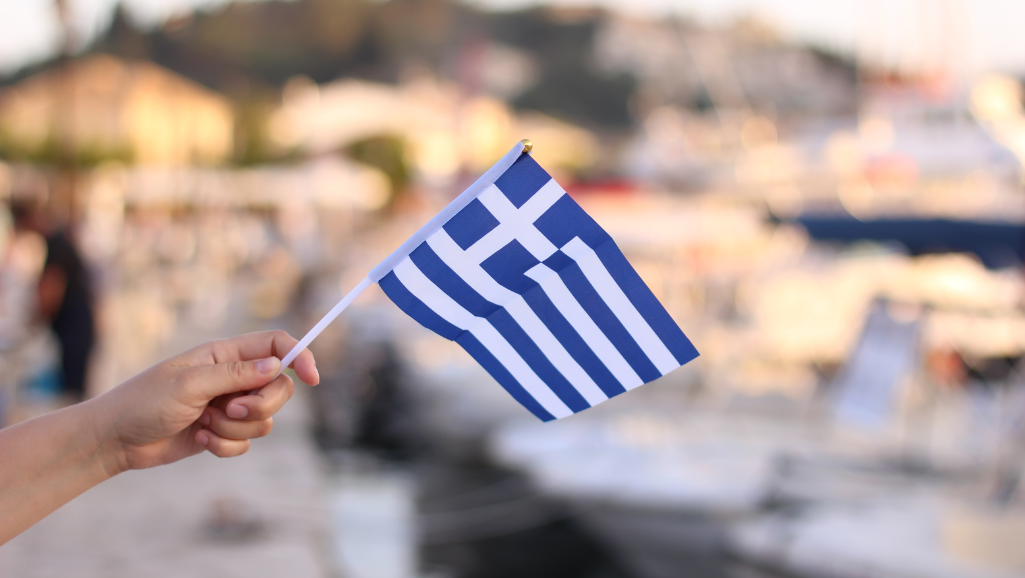
Oxi Day has been celebrated since 1942, starting within the Greek resistance and later as a public holiday for all Greeks. The day features military and student parades, public buildings adorned with the national flag, and a break from school and work.
Today, it is crucial to remember Oxi Day, especially in a world where unity against fascism is not always guaranteed. Recent events, such as the occupation of Cyprus by Turkey and the conflict in Syria, emphasize the importance of preserving the memory of Oxi Day. Educating younger generations and non-Greek individuals about the significance of this day, both nationally and internationally, remains a vital task. It transcends being merely a celebration or a holiday; it serves as a reminder of the resilience and determination of the Greek people and the enduring fight for freedom and democracy.



 Please wait...