



By Catherine Tsounis
“Research matters in personalizing pancreatic cancer treatment,” says Despina Siolas, MD, PhD, a physician‑scientist and Assistant Professor of Medicine at Weill Cornell Medicine. Her message is at the center of a recent episode of Research Matters, a video series highlighting innovative research transforming patient care.
Pancreatic cancer is often referred to as a silent killer. “With few early symptoms and an aggressive nature, it has one of the lowest survival rates of all cancers, “as Dr. Siolas explains, late diagnosis is a major contributor to poor outcomes.
“By the time people are diagnosed with pancreatic cancer, most are not candidates for surgery because the tumor is already too extensive,” said Dr. Siolas, who treats patients as a medical oncologist at New York‑Presbyterian/Weill Cornell Medical Center. “Too often, I see patients succumb to this disease due to the lack of effective treatment options.”
Standard first line therapy for pancreatic cancer typically involves chemotherapy, an approach that, while beneficial for some, is largely non‑selective. “Chemotherapy is often a one‑size‑fits‑all strategy, and that approach does not work for everyone,” Dr. Siolas noted. “Our goal is to personalize treatment for this disease by developing more precise regimens, so we can save more patients.”
Dr. Solas’s research focuses on KRAS, a gene that is changed in most pancreatic cancers. For many years, doctors believed that all pancreatic tumors with KRAS mutations behaved the same way. However, Dr. Siolas and her collaborators discovered that different KRAS mutations can affect how tumors grow and respond to treatment. By understanding these differences, her team is working to develop more personalized treatments tailored to each patient’s cancer.
Her scientific mission is deeply informed by personal experience. At age 16, Dr. Solas’s mother was diagnosed with colon cancer. “We were fortunate that she recovered after surgery, chemotherapy, and radiation,” she recalled. “That experience shaped how I think about cancer—not just biologically, but humanistically.”
“When I treat a patient, I try to put myself in their shoes and understand the fear, anxiety, and uncertainty that come with a cancer diagnosis,” Dr. Siolas said. “At the same time, I’m working on the biological rationale behind this cancer and finding the best treatment for each patient.”
In addition to leading research studies, Dr. Siolas treats cancer patients in the clinic, which reinforces the urgency of her research. By connecting discoveries made in the laboratory directly to patient care, she is working to speed the development of more precise, personalized treatments.
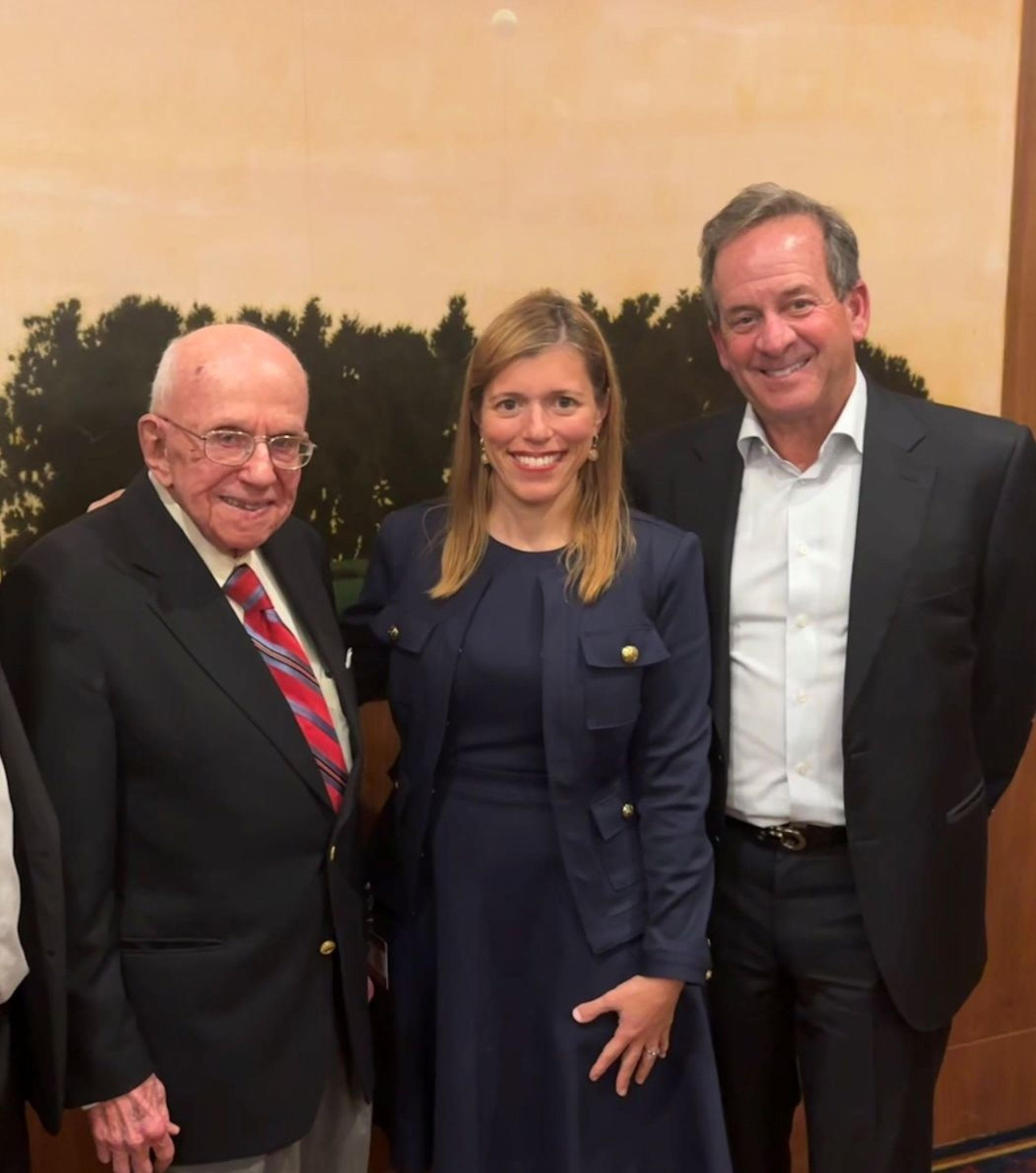
The annual Cancer Survivor Hall of Fame Dinner of the Cancer Research and Treatment Fund (CR&T) honored Dr. Siolas on Thursday, November 21, 2024, in New York City. She was awarded a 200,000 grant. The Blackburn Family Cancer Foundation “Coaching For a Cure” 5th Annual Charity Game and 2nd Michael Manna Memorial Game on January 3rd, 2025, benefit the funding for the pancreatic cancer research laboratory led by Dr. Despina Siolas. The Federation of Hellenic Educators of America, Hellenic Paideia of America honored Dr. Siolas on February 3, 2025, at their Greek Letters Day Program.
For the Research Matters video:
https://gca.weill.cornell.edu/
More information about Dr. Siolas and her research can be found at: https://siolaslab.weill.co


 Please wait...