

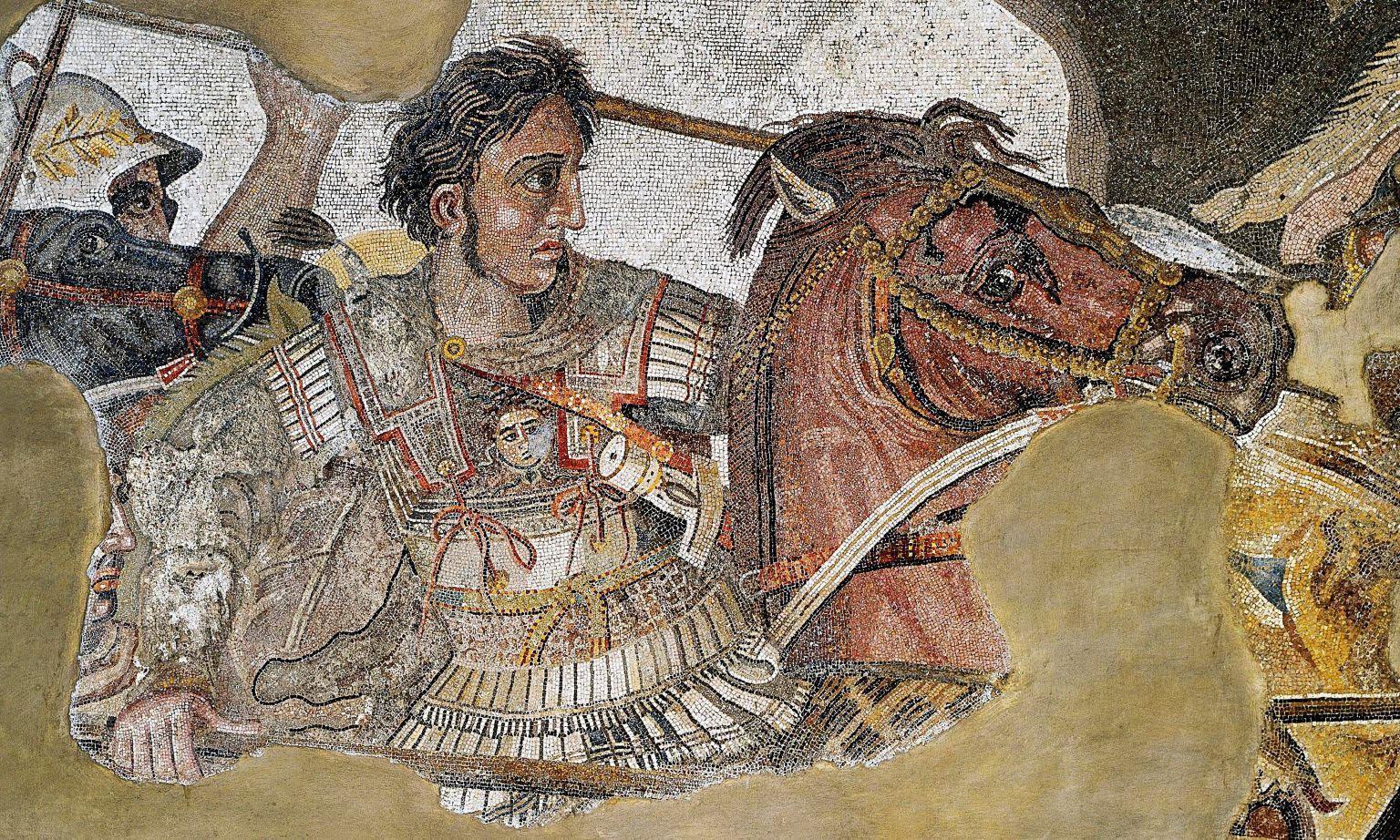

By Catherine Tsounis
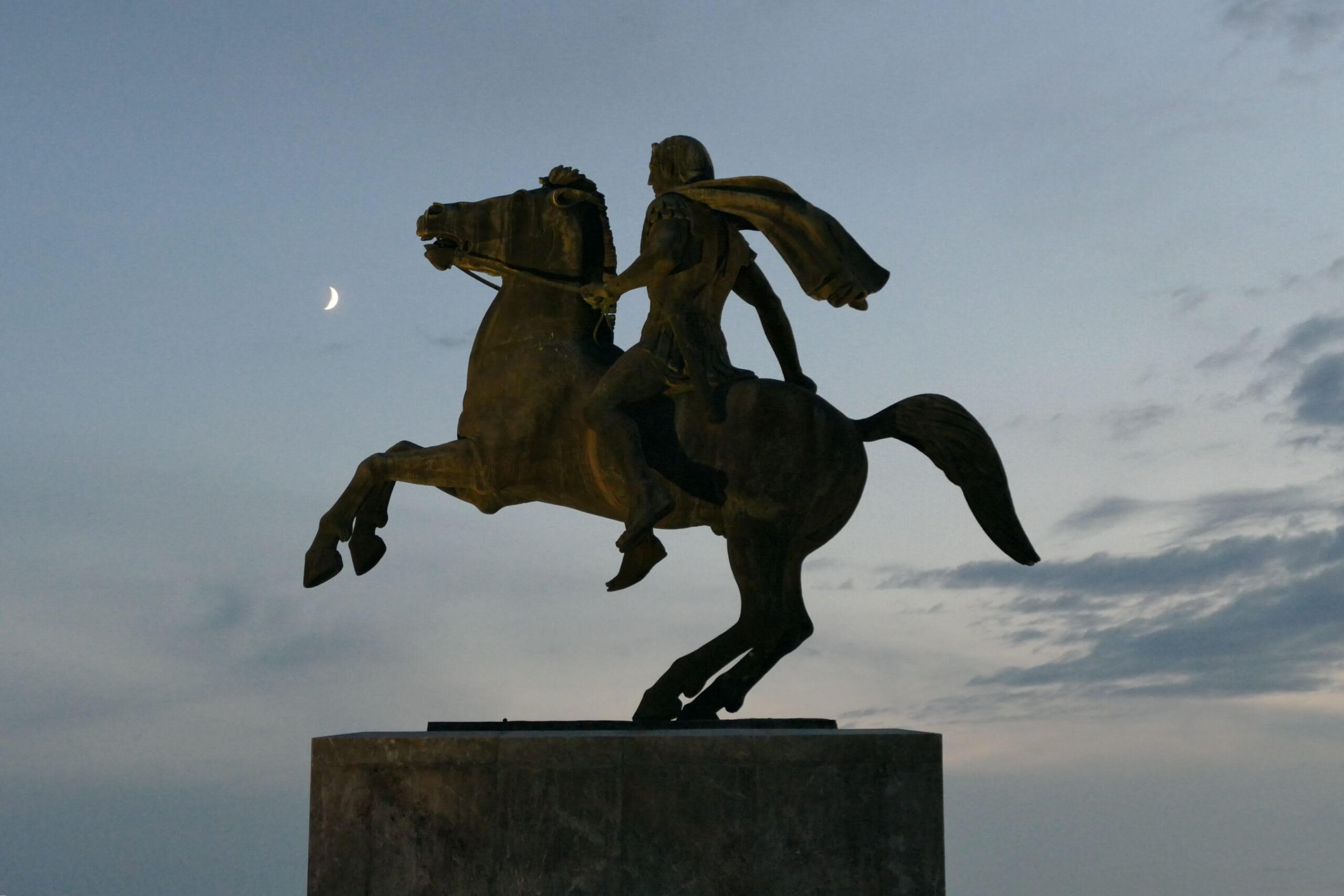
Alexander, the Greats influence is alive in our time. Dimitri Filippidis, former President of the PanMacedonian Association USA, International journalist/radio personality refers to “Alexander the Great as Greek and Macedonian, who spoke the Greek language and spread Greek culture.” My late father George said, “ Alexander influenced 2000 years later Napoleon in the 1800s.”
AktinaTV had a program on Alexander the Great. His speech to his troops at Opis (near Baghdad, Asia) left an impression. The speech is known as “Mutiny at Opis,” 324 B.C., when he was known as the conqueror of the Persian empire and the known world. The Mutiny of his Macedonian troops stemmed from their belief Alexander was no longer Macedonian, They believed he was more Persian. He changed his troops’ mind. This speech is taught in military colleges as the most important speech unifying armed forces.
Why is this speech remembered today? According to Arrian, Alexander’s speech was as follows: “Macedonians, my speech will not be aimed at stopping your urge to return home; as far as I am concerned you may go where you like. But I want you to realize on departing what I have done for you, and what you have done for me.
Let me begin, as is right, with my father Philip. He found you wandering about without resources, many of you clothed in sheepskins and pasturing small flocks in the mountains, defending them with difficulty against the Illyrians, Triballians and neighboring Thracians. He gave you cloaks to wear instead of sheepskins, brought you down from the mountains to the plains, and made you a match in war for the neighboring barbarians, owing your safety to your own bravery and no longer to reliance on your mountain strongholds. He made you city dwellers and civilized you with good laws and customs.
Those barbarians who used to harass you and plunder your property, made you their leaders instead of their slaves and subjects. He annexed much of Thrace to Macedonia, seized the most favorable coastal towns and opened up the country to commerce, and enabled you to exploit your mines undisturbed.
He made you governors of the Thessalians, before whom you used to die of fright, humbled the Phocians and so opened a broad and easy path into Greece in place of a narrow and difficult one. The Athenians and Thebans, who were permanently poised to attack Macedonia, he so humbled (and I was now helping him in this task) that instead of you paying tribute to the Athenians and being under the sway of the Thebans, they now in turn had to seek their safety from us.
He marched into the Peloponnese and settled matters there too. He was appointed commander-in-chief of all Greece for the campaign against the Persians, but preferred to assign the credit to all the Macedonians rather than just to himself.
Such were the achievements of my father on your behalf; as you can see for yourselves, they are great, and yet small in comparison with my own. I inherited from my father a few gold and silver cups, and less than 60 talents in the treasury; Philip had debts amounting to 500 talents, and I raised a loan of a further 800. I started from a country that could barely sustain you and immediately opened up the Hellespont for you, although the Persians then held the mastery of the sea.
I defeated the satraps of Darius in a cavalry engagement and annexed to your rule the whole of Ionia and Aeolis, both Phrygias and Lydia, and took Miletus by storm. All the rest came over to our side spontaneously, and I made them yours for you to enjoy.
All the wealth of Egypt and Cyrene, which I won without a fight, is now yours, Coele Syria, Palestine and Mesopotamia are your possession, Babylonia and Bactria and Elam belong to you, you own the wealth of Lydia, the treasures of Persia, the riches of India, and the outer ocean. You are satraps, you are generals, you are captains. As for me, what do I have left from all these labors? Merely this purple cloak and a diadem.”1
The Opis speech is studied for the importance of effective communication and leadership and strategic planning and adaptability in military operations. Alexander the Great showed the impact of morale, psychological and cultural identity in troop effectiveness. Cultural identity. His speech shows the importance of diplomacy in military success.2
Alexander is a subject of military, historical and cultural interest in modern times. He is regarded as the greatest of Great Captains. He became the inventor of modern mobile warfare. Alexander the Great became the model for romantic military genius. 3
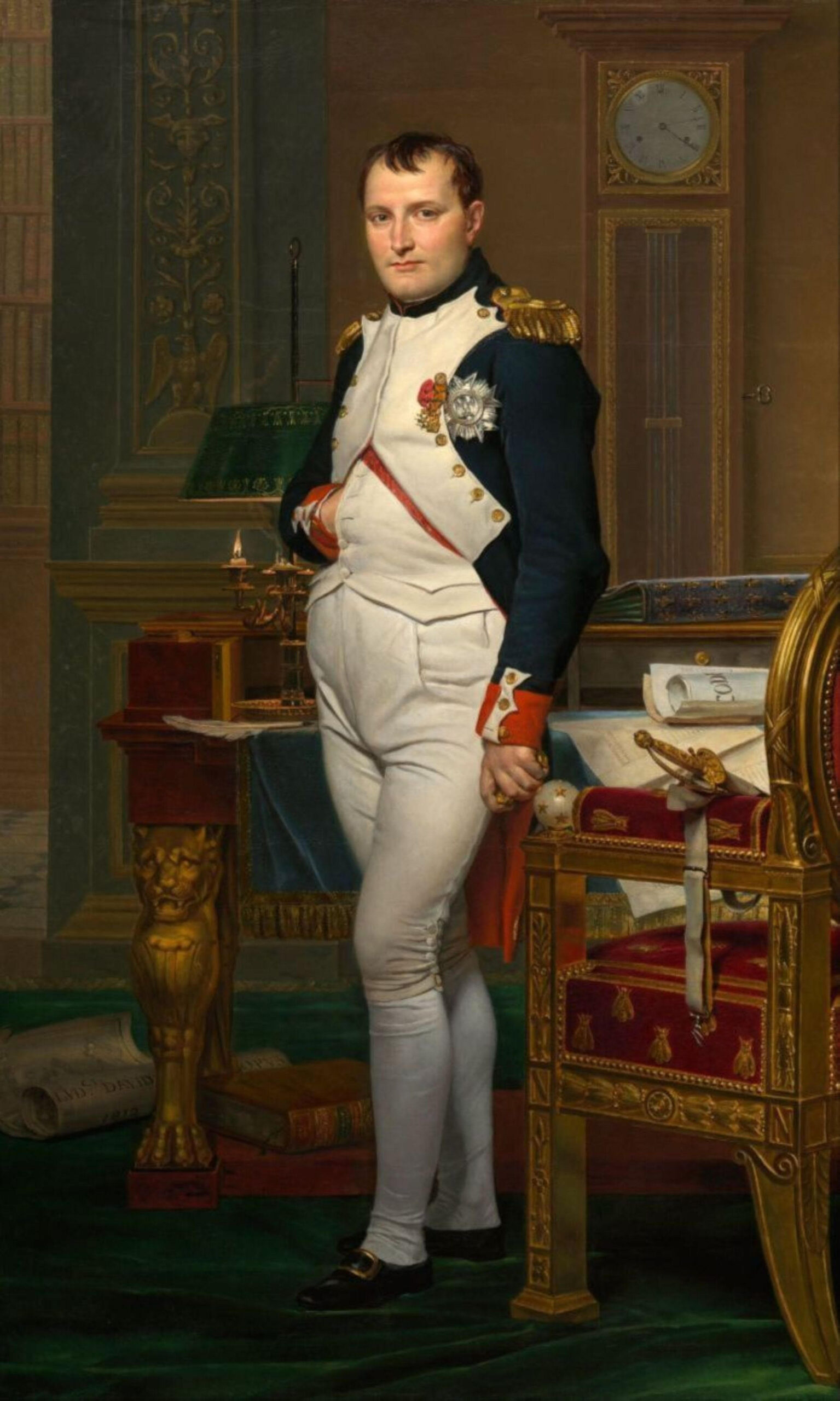
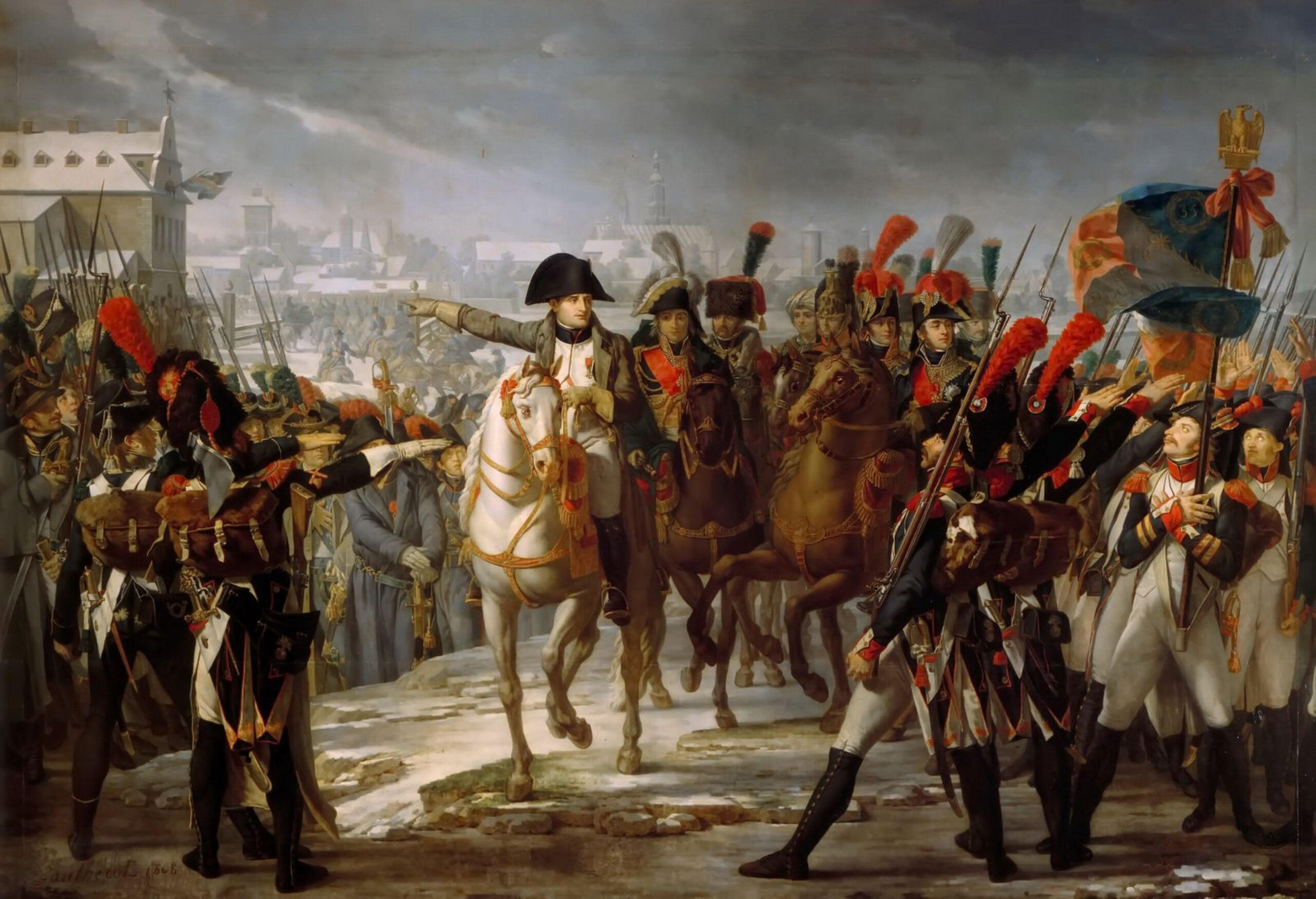
How did Alexander the Great Influence Napoleon 2,000 years later? NAPOLEON Bonaparte famously listed Alexander the Great among seven great military commanders whose campaigns should be studied again and again. Alexander would remain an important figure to Napoleon throughout his life, commenting frequently on him during his exile on the island of St. Helena.
In 1786, a teenage Napoleon would list Alexander among historical figures who inflame the soul and serve as guides to men. Later as ruler of France, Napoleon would include Alexander among busts of famous men he placed in the Tuileries Palace. 4
“Alexander the Great and Napoleon Bonaparte were exceptional leaders who reshaped the world through their military conquests and political ambitions. While they had different leadership styles and military strategies, both men achieved remarkable success on the battlefield. Their legacies continue to influence and inspire people to this day. Whether it is Alexander’s audacity and charisma or Napoleon’s strategic brilliance and administrative reforms, their contributions to history cannot be understated.”5
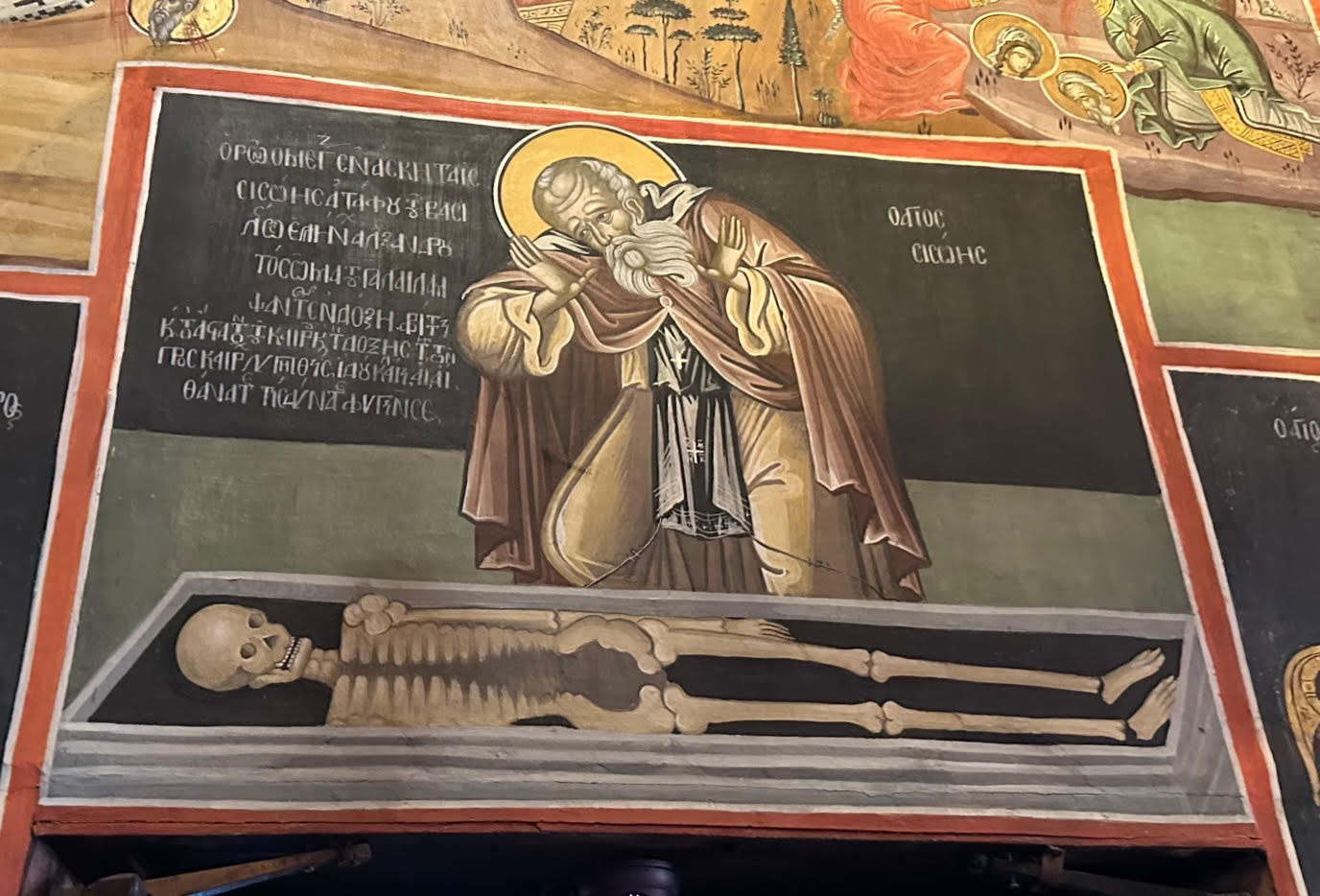
An icon in St. Varlaam Monastery, shows the ascetic Sisoes, viewing at the tomb of Alexander the Great. The writing on the icon has Sisoes saying :”Seeing you in a grave, I am timid and frightened at your sight and I shed tears from my heart, bringing to my mind the debt that all people have to pay (that is, death), so I will suffer such an end. Ah, ah death, who is the one who can avoid you?”6The Greek Orthodox Church refers to Alexandr the Great in Meteora St. Varlaam monastery.
Alexander the Great and Napoleon 0ver 2,000 years later were known for leading their troops in battle inspiring their troops .Both men inspired their troops by being in the front of critical battles. This is why Napoleon is the Greatest General after Alxander the Great who emphasized personal bravery, morale and confidence of his soldiers.
References
1. https://greekreporter.com/2025
5. https://thisvsthat.io/alexand
6. https://orthodoxtimes.com/why
7. https://commons.wikimedia.org/
8. https://commons.wikimedia.org/

 Please wait...