



On Saturday, February 21, 2026, the Greek School Parent Teacher Organization of Kimisis Tis Theotokou Greek Orthodox Church in Holmdel, New Jersey, hosted its annual Apokriatiko Glendi at the Grand Marquis in Old Bridge, an evening filled not only with music and laughter, but with meaning.
Families, grandparents, parishioners, and friends gathered to celebrate Apokries together. Children ran excitedly between tables. Parents greeted one another warmly. Grandparents watched with quiet pride. Beneath the festive atmosphere was something deeper, a shared understanding that Hellenic identity thrives when faith, tradition, and community move forward side by side.
From the welcoming cocktail hour and carefully arranged raffle displays to the formal prayer that centered the evening, the Glendi carried both joy and intention. As the Orthodox faithful prepare to enter Great Lent, the celebration felt especially significant, a reminder that in our tradition, festivity and reflection are not opposites, but partners.
In his message to the parish, Archimandrite Avgoustinos Psomas reminded attendees that Apokries is more than celebration; it is a moment to give thanks and prepare the heart for renewal.
“Events like this are far more than celebrations,” he wrote. “They are expressions of love, sacrifice, and unity that strengthen the life of our parish and nurture the hearts of our children.”
His words resonated throughout the room. As the Church gently guides the faithful toward the Lenten journey, gatherings such as this offer families the opportunity to pause, reconnect, and renew their spiritual commitment together.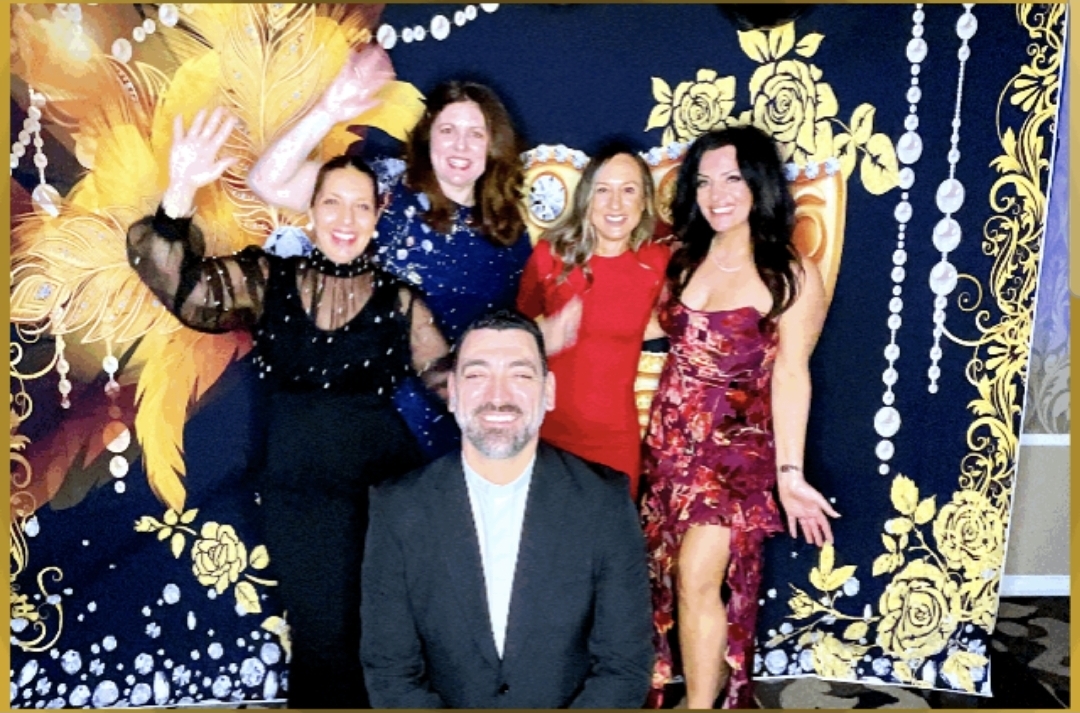
Apokries (Απόκριες), often called the Greek Carnival season, carries both ancient Hellenic roots and Orthodox Christian meaning. Derived from apo kreas — “abstaining from meat” — the season unfolds through Prophoni, Kreatini, and Tyrini, culminating in Kathará Deftéra, Clean Monday, the beginning of Great Lent.
While music and dancing mark the outward joy of the season, its deeper message is one of balance — celebration joined with gratitude, festivity paired with spiritual readiness.
That balance was beautifully reflected throughout the evening.
The success of the Glendi was made possible through the dedication of the Kimisis Greek School PTO Executive Board:
Helen Koufidis, President
Stephanie Fotinos, Vice President
Georgia Aravantinos, Secretary
Bill Bucco, Treasurer
In her message to families and supporters, President Helen Koufidis spoke from the heart.
“This beautiful celebration is more than a night of music, dancing, and joy; it is a reflection of the love, dedication, and strong sense of community that surrounds our children and our school,” she wrote.
She also recognized the essential role of families, sponsors, parishioners, and volunteers, those quiet pillars who ensure that the Greek School continues to pass forward not only language and culture, but identity itself.
One of the most moving moments of the evening was the performance of the Kimisis Greek School dancers. Watching the children take the floor, dressed in traditional attire, was to witness heritage in motion.
The beginner group — Christina Alaimo, Apollo Bucco, Kyra Karatzia, Stavroula Koukoumis, Niko Koukoumis, and Eva Lambrino.
Intermediate dancers — Maria Alaimo, Aretousa Aravantinos, Dionysios Aravantinos, Joey Bucco, Niko Fotinos, Christina Krimitsos, Katerina Lambrinos, Valentina Vasilakis, and Eliana Zayas.
The advanced group — Zoey Anastasatos, RJ Bucco, Anthony Dyer, Stavros Fotinos, Alexandra Horkheimer, Dimitri Koufidis, Marianna Koufidis, Melina Parameritis, and Panagiota Rexinis.
These were not simply performances. They were living affirmations that Greek language, Orthodox faith, and tradition remain alive, not as relics of the past, but as gifts carried forward.
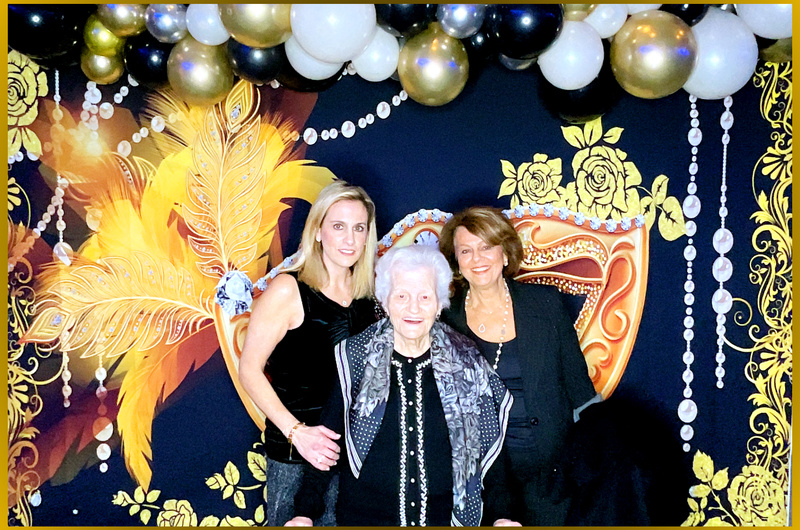
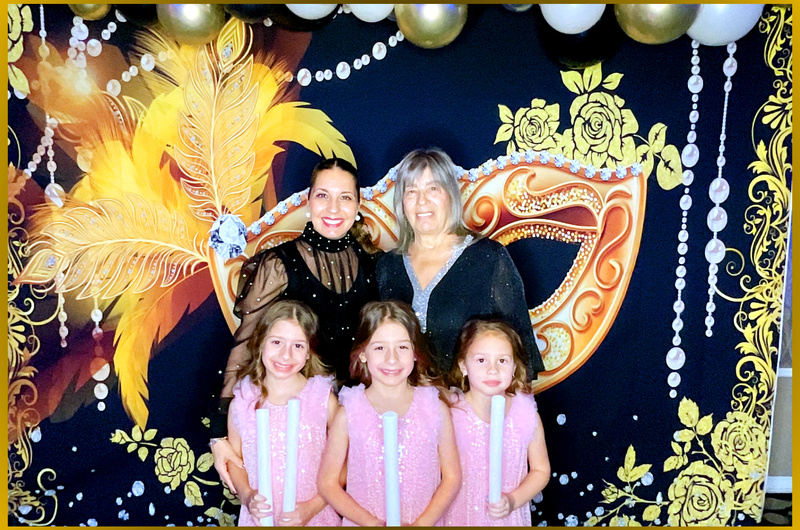
As dinner was served and the dance floor filled, the most beautiful image of the night emerged: children dancing beside grandparents, parents applauding with full hearts, friends embracing as music carried across the room.
In communities across America, the preservation of Hellenic identity depends not only on schools or institutions, but on moments like these, when faith is honored, culture is lived, and the next generation sees its heritage not as something distant, but as something they are actively becoming.



 Please wait...