


How Hermes Expo’s 35th Anniversary Conference Brought Together Leaders, Innovators, and Visionaries to Explore the Future of Business
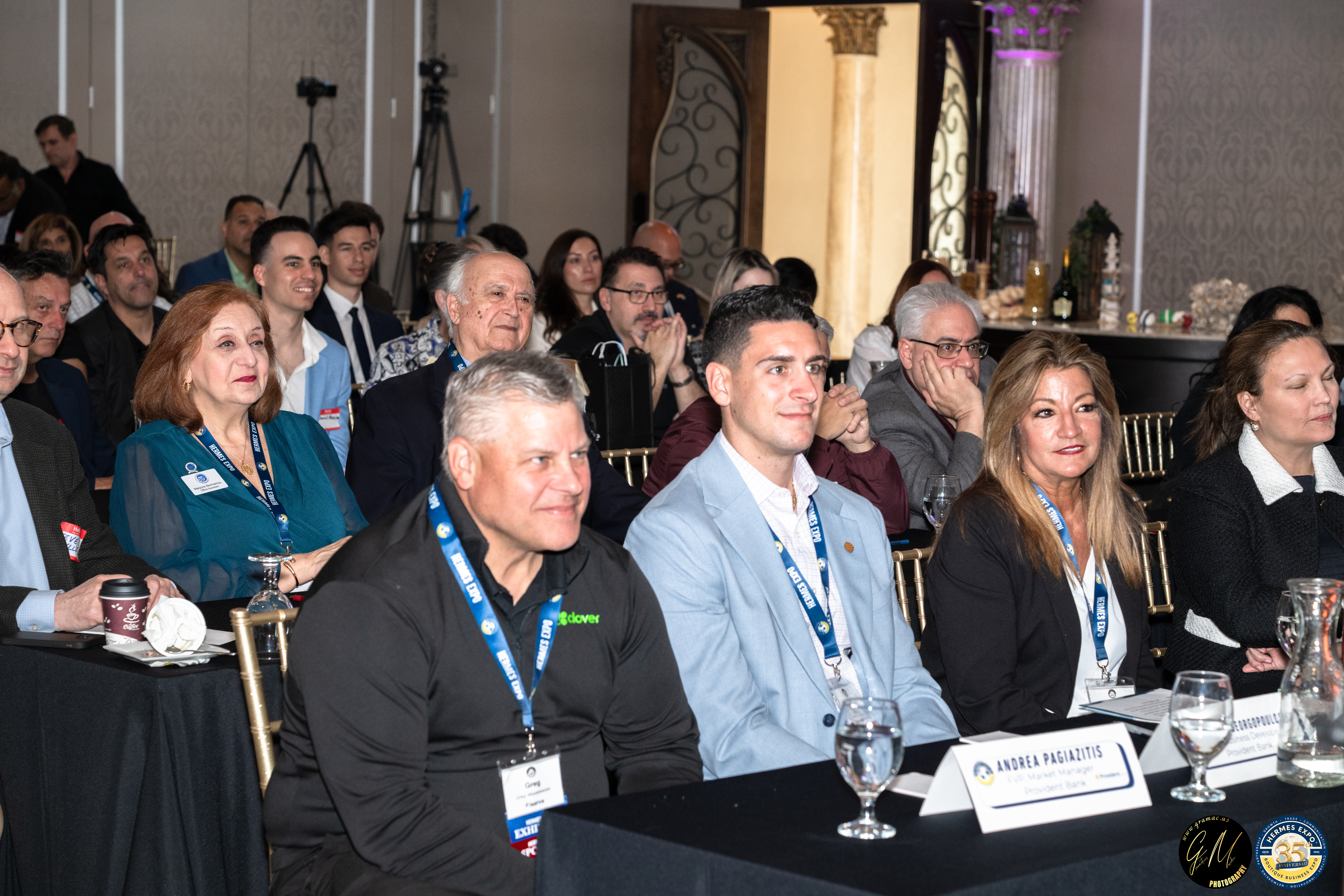
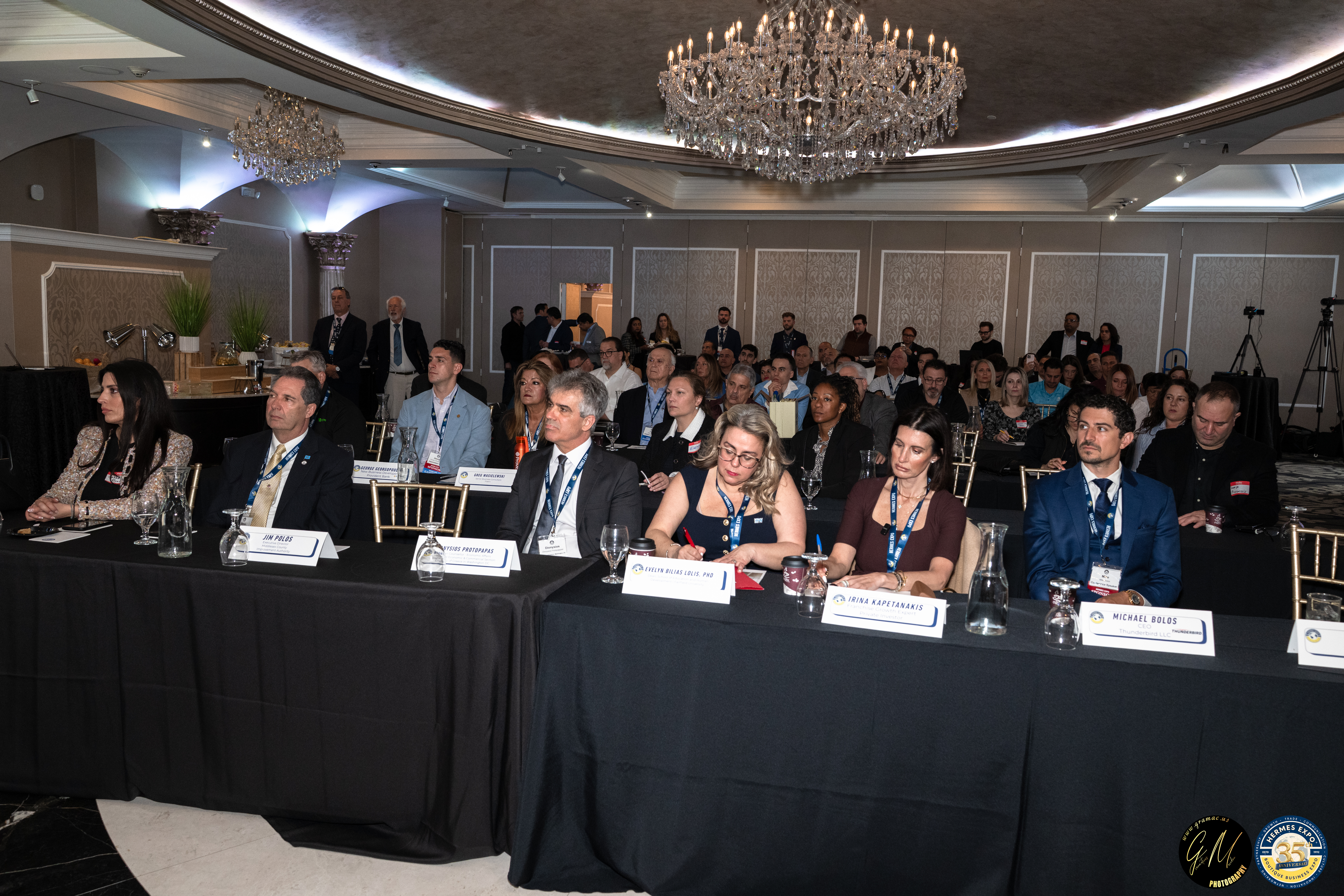
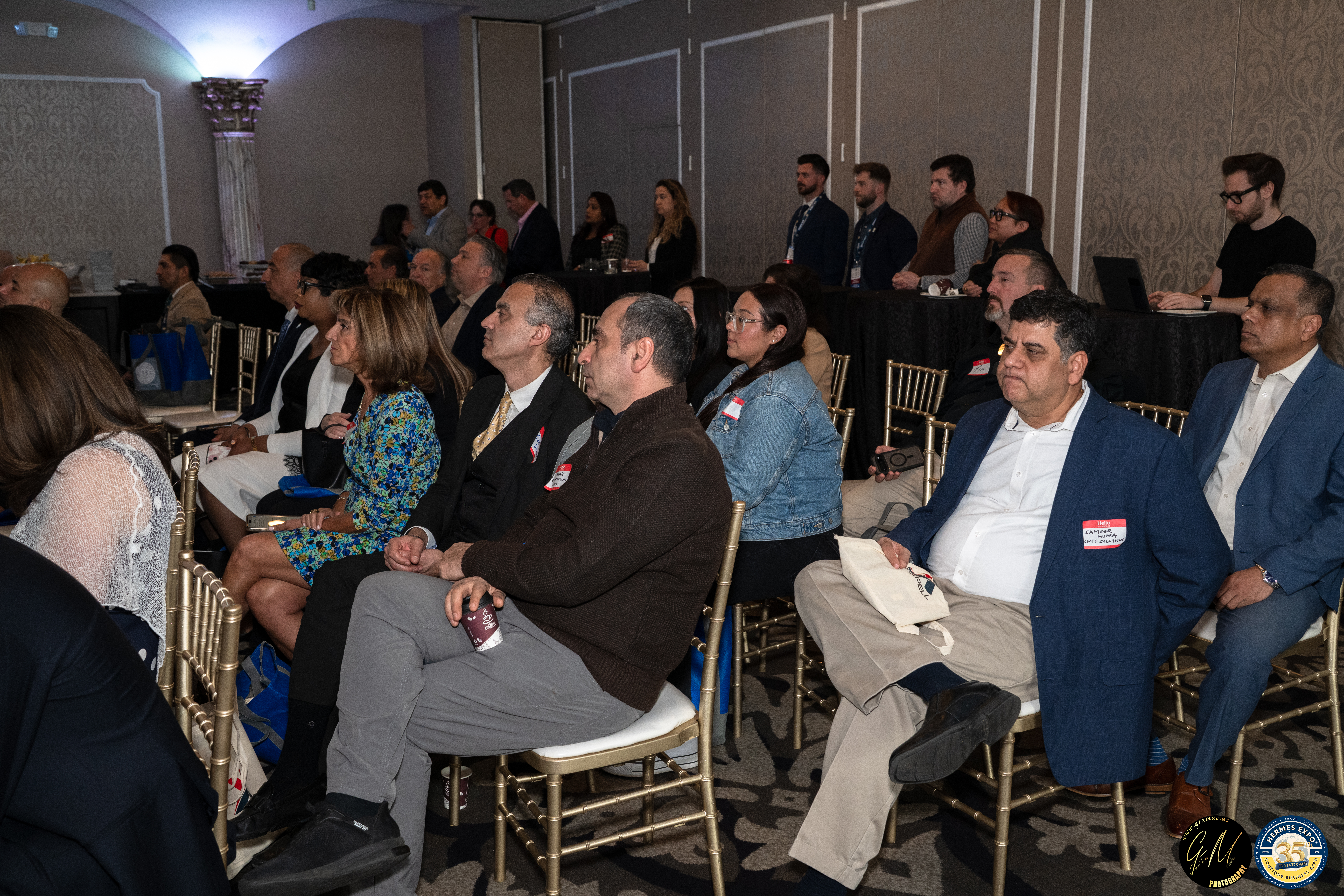
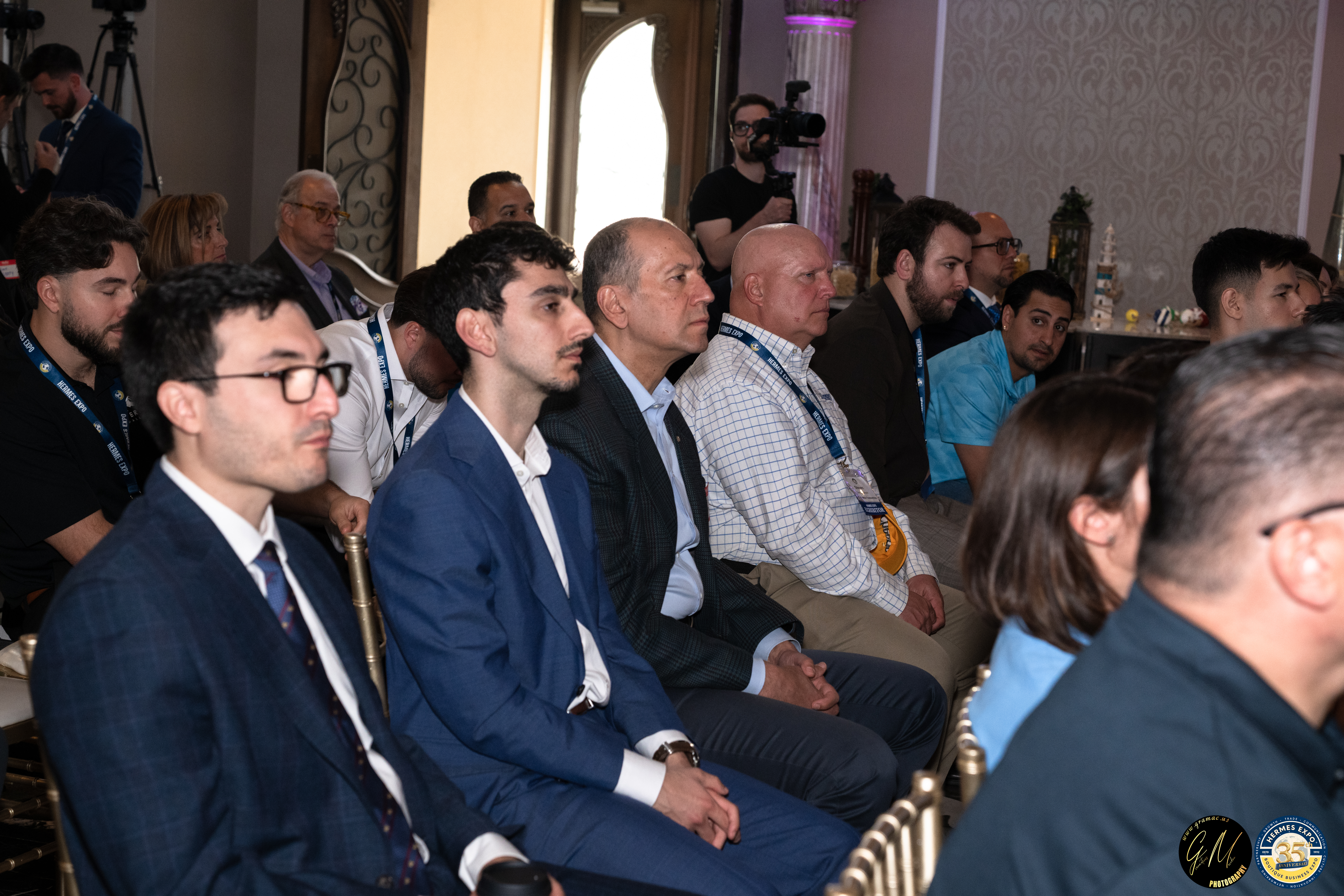
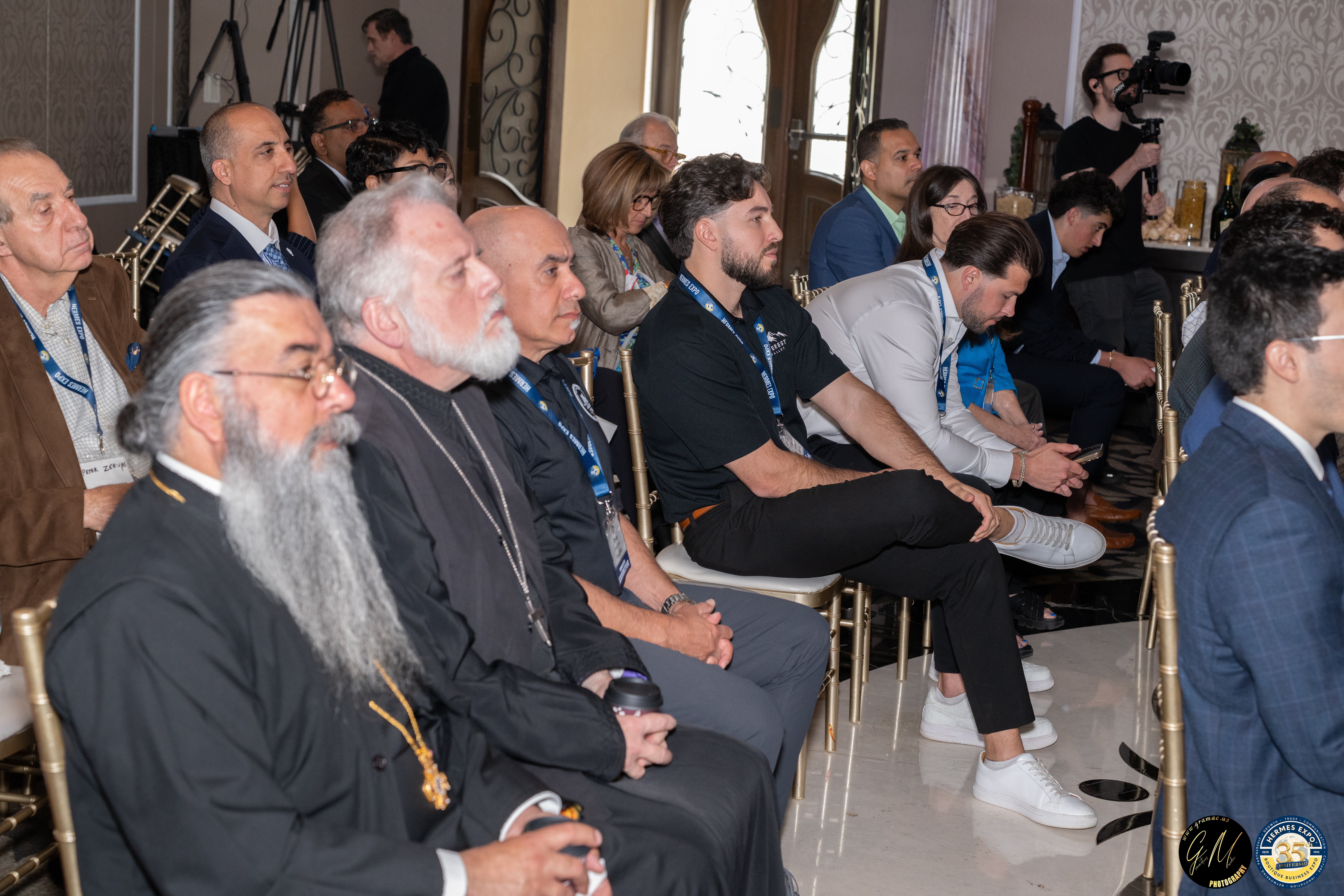
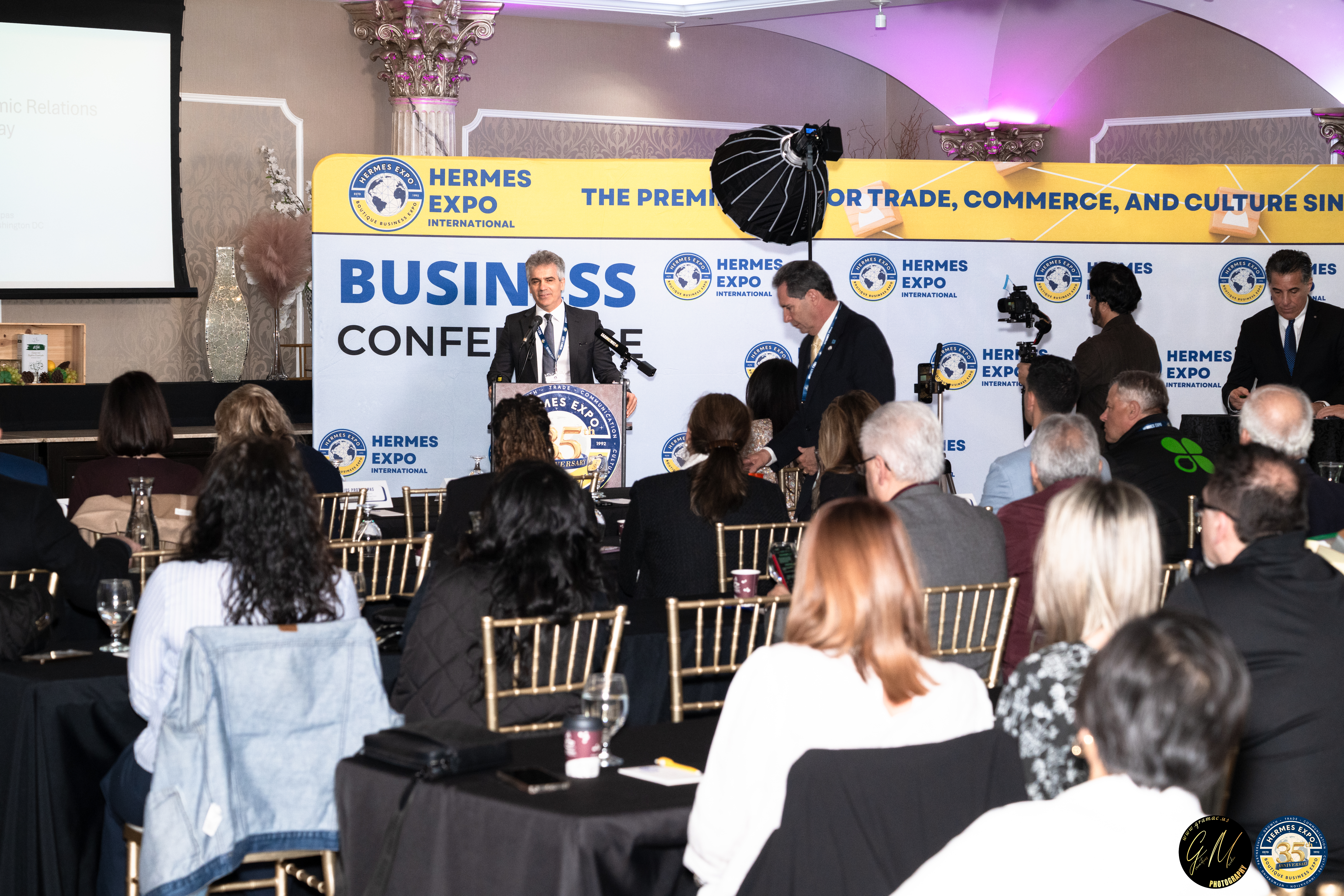
On April 29, 2026, business leaders, entrepreneurs, investors, educators, and government officials gathered at the Grand Marquis in Old Bridge, New Jersey, for the 35th Annual Hermes Expo Business and Leadership Conference, a milestone event celebrating one of the longest-running business networking and economic development initiatives in the Greek-American community.
For thirty-five years, Hermes Expo has served as far more than a trade show or business conference. Founded on the principles of commerce, communication, and culture, the organization has built a reputation as a bridge connecting businesses, professionals, policymakers, and institutions across industries, cultures, and borders. Throughout its history, Hermes Expo has facilitated thousands of business relationships, introduced countless entrepreneurs to new opportunities, and strengthened economic ties between the United States, Greece, and the broader international marketplace.
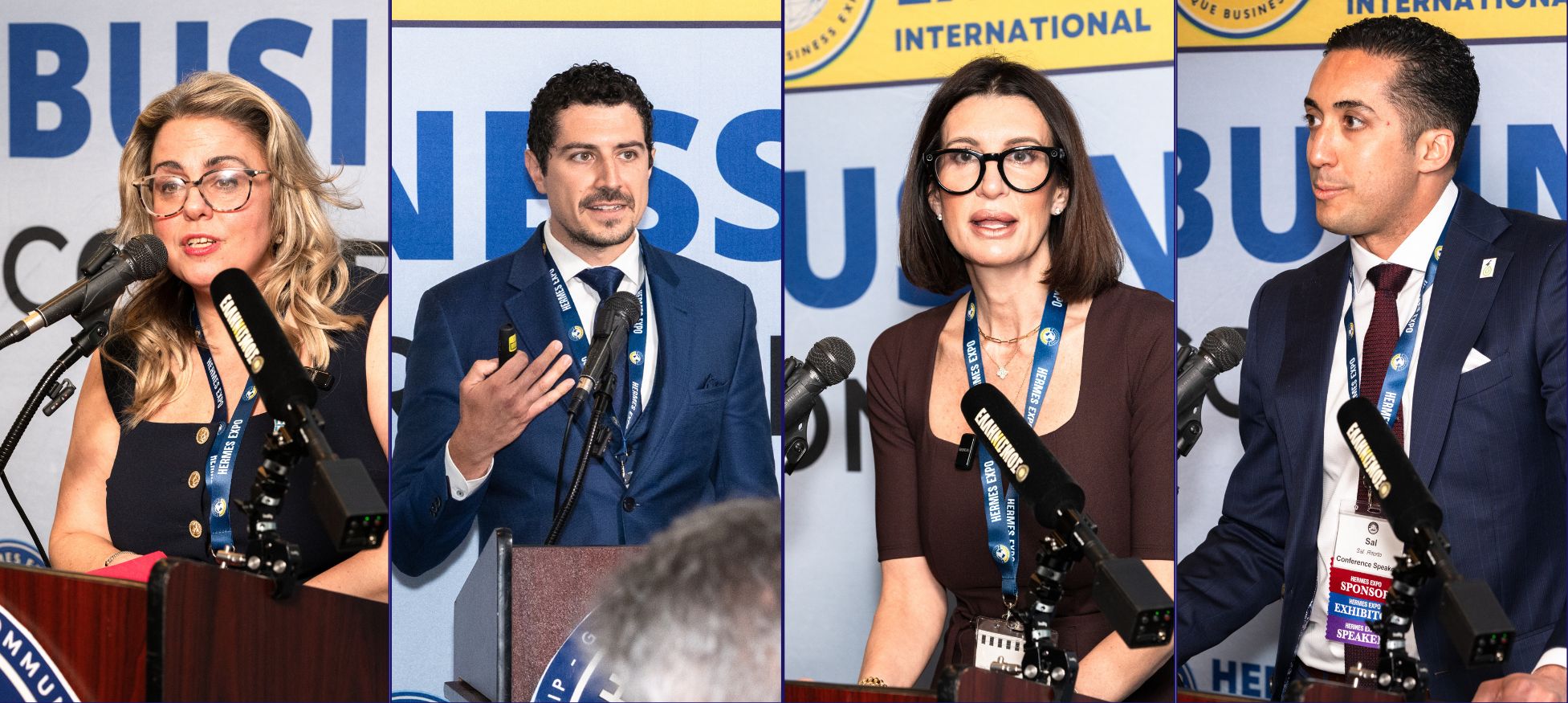
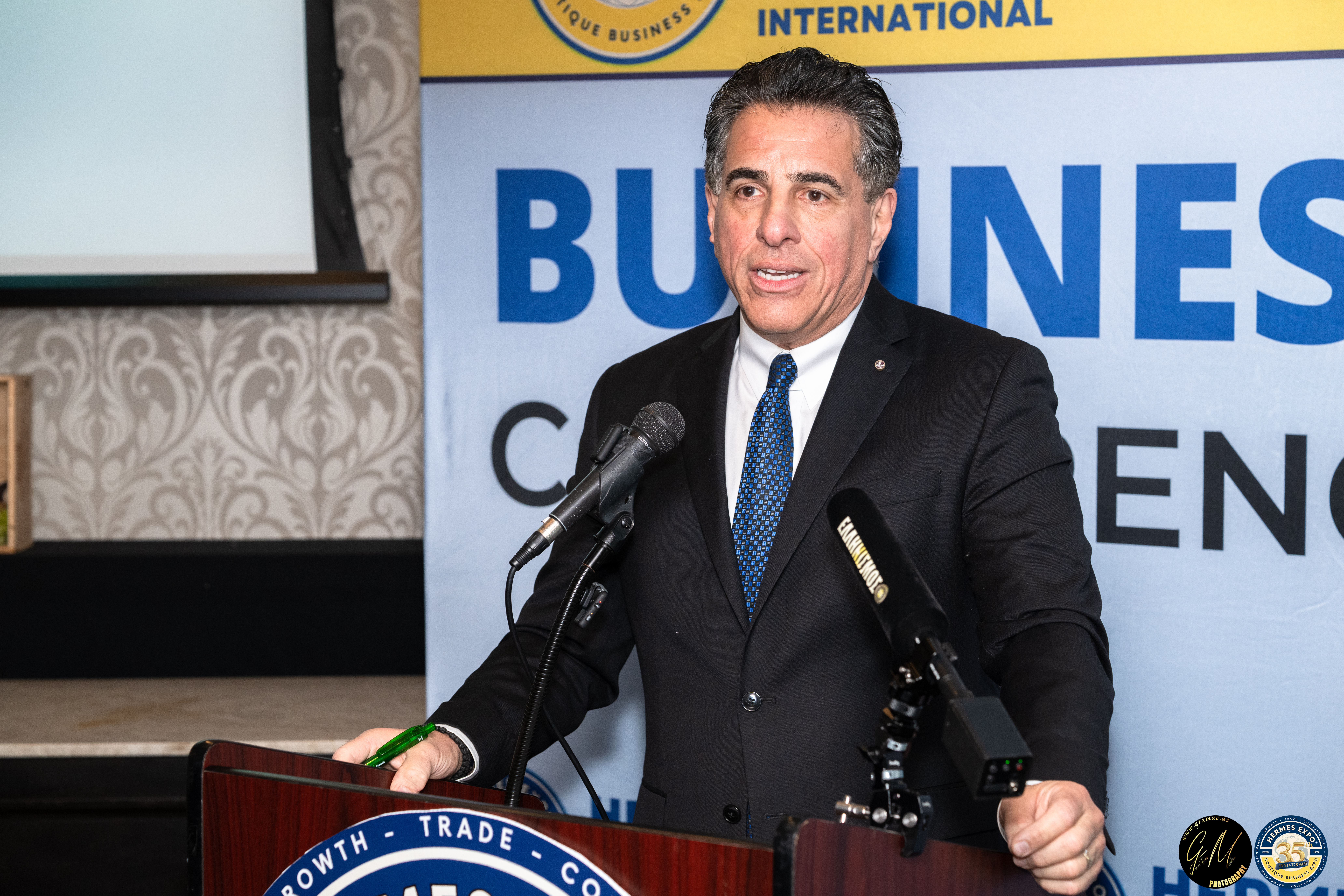
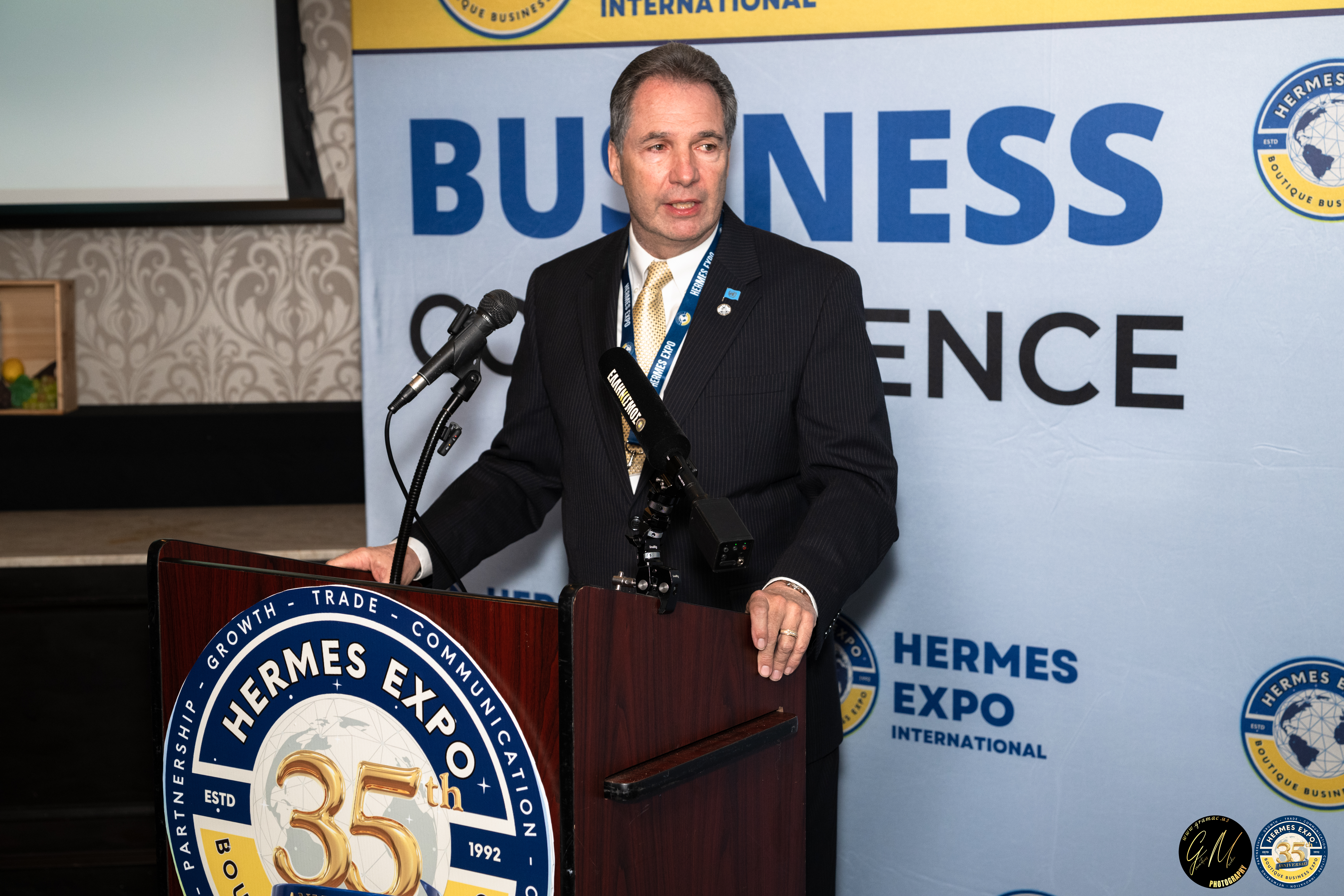
Serving as Master of Ceremonies was James Polos, Executive Director of the Middlesex County Improvement Authority, who skillfully guided attendees through the day’s presentations and discussions. Throughout the conference, Polos helped connect the diverse perspectives shared by speakers, emphasizing the importance of adaptability, innovation, and collaboration in today’s rapidly evolving business landscape.
In his opening remarks, Hermes Expo Founder and President Paul Kotrotsios reflected on the vision that has guided the organization for more than three decades.
“When we started the Hermes Expo, the idea was simple: bring people together with purpose. Because when the right people come together, meaningful things happen. Conversations turn into relationships. Relationships turn into opportunities. And opportunities move our community forward.”
That philosophy set the tone for the day’s discussions and served as a reminder that while industries, technologies, and markets continue to evolve, meaningful human connections remain at the heart of business success.
This year’s conference reflected that enduring mission.
At a time when artificial intelligence is transforming industries, energy markets are evolving, workplace expectations are shifting, and businesses are navigating unprecedented economic change, the conference brought together experts from diverse sectors to address a common challenge:
How do leaders prepare for a future that is changing faster than ever before?
The answers came from executives, entrepreneurs, educators, and policymakers who shared practical insights on innovation, leadership, resilience, economic development, and long-term growth.
Greece’s Expanding Role in a Changing Global Economy
The conversation began with a look at the evolving economic relationship between Greece and the United States.
Dionysis Protopappas, Minister Counsellor for Economic Affairs and Head of the Economic and Commercial Section at the Embassy of Greece in Washington, D.C., outlined how Greece has emerged as an increasingly important strategic partner in areas ranging from energy and shipping to technology and foreign investment.
Far removed from outdated perceptions that define Greece primarily through tourism and culture, today’s Greece is positioning itself as a critical player in regional energy security, logistics, maritime commerce, and international trade.
As Europe continues to diversify its energy infrastructure and strengthen supply chains, Greece’s geographic position and economic investments have elevated its importance on the global stage. Greek shipping continues to move a significant portion of the world’s commerce, while American investment in Greece continues to expand across multiple sectors.
For business leaders in attendance, the presentation served as a reminder that opportunities often emerge where economic transformation is already underway.
The AI Revolution Is Also an Energy Revolution
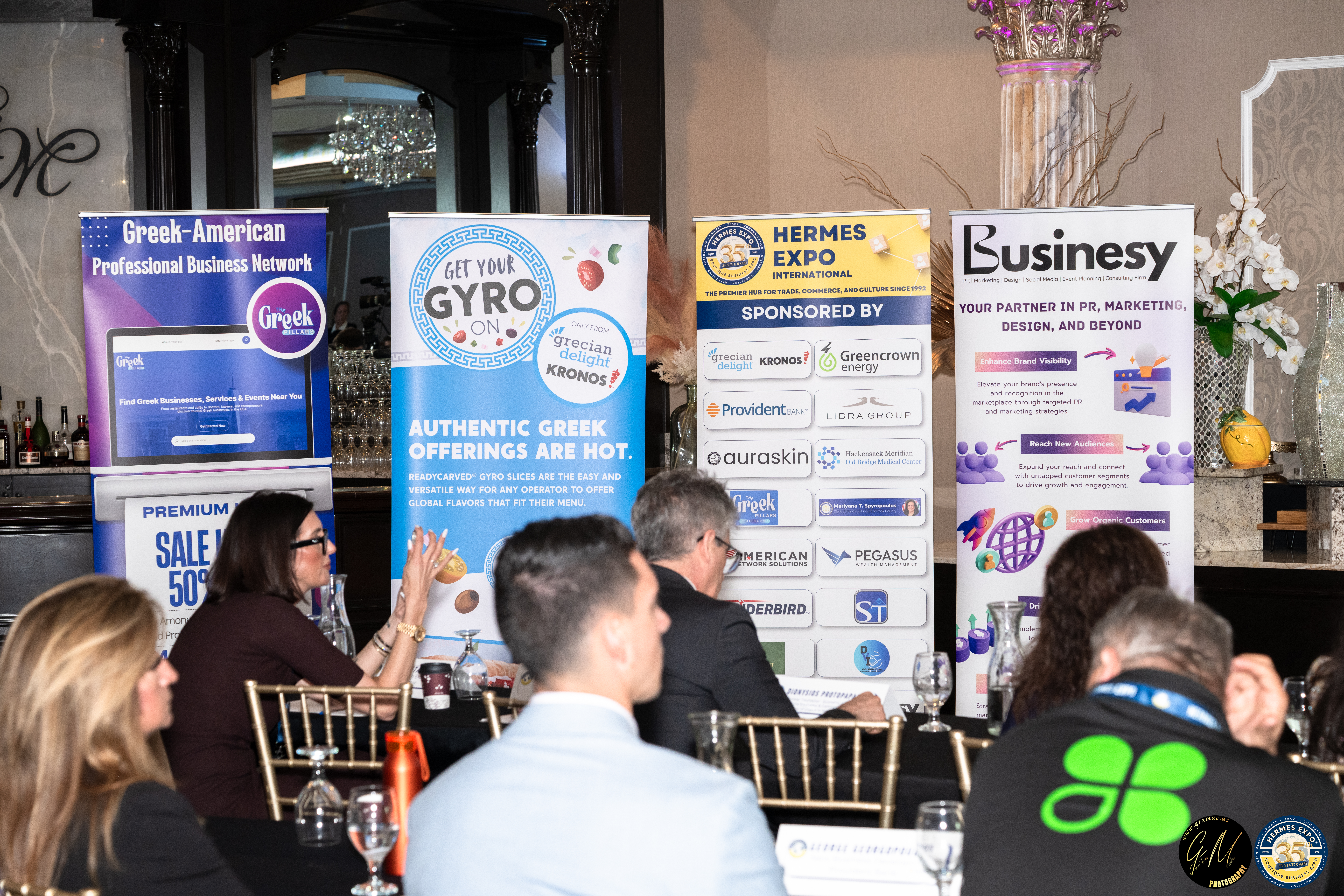
If there was one presentation that challenged attendees to think differently about the future, it was delivered by Sal Ritorto, President of Greencrown Energy.
Artificial intelligence is often discussed through the lens of software, automation, and productivity. Ritorto encouraged attendees to look beneath the surface.
Every AI query, every data center, every cloud-based application requires energy.
And lots of it.
As businesses increasingly adopt AI technologies, the demand for electricity is accelerating at a pace not seen in decades. Data centers are expanding rapidly. Utility infrastructure is being strained. Energy costs continue to rise.
For many organizations, energy has historically been viewed as a fixed expense, a utility bill that simply arrives each month.
Ritorto argued that mindset is quickly becoming obsolete.
The businesses that gain a competitive advantage in the coming years will be those that actively manage energy procurement, efficiency, and consumption as strategic assets rather than administrative expenses.
His presentation transformed what many viewed as a back-office issue into one of the defining business challenges of the decade.
Scaling a Business Requires More Than Growth
For entrepreneurs, growth is often viewed as the ultimate goal.
Irina Kaptenakis offered a different perspective.
The successful entrepreneur and franchise owner shared lessons learned while scaling multiple fitness franchise locations, emphasizing that growth and scale are not the same thing.
In one of the conference’s most memorable observations, she noted:
“Growth does not fix problems. Growth exposes them.”
As organizations expand, weaknesses become magnified. Informal systems break down. Communication gaps widen. Leadership shortcomings become impossible to ignore.
Many entrepreneurs believe passion alone will carry them through growth.
Kaptenakis challenged that assumption.
Sustainable expansion requires documented systems, accountability structures, leadership development, operational consistency, and a culture that can be replicated long after the founder leaves the room.
Her most powerful takeaway may have been her reminder that:
“You do not rise to the level of your ambition. You fall to the level of your systems.”
For business owners seeking to move beyond founder-driven success, it was a masterclass in scalability.
The Greatest Threat to a Family Business Isn’t Competition—It’s Succession
Family businesses represent the backbone of the American economy and remain a cornerstone of the Greek-American entrepreneurial story.
Yet many never survive beyond a few generations.
Mike Bolos, CEO of Thunderbird LLC, explored why.
Drawing upon years of experience acquiring and operating family-owned companies, Bolos argued that succession planning begins decades before a founder retires.
Too often, business owners devote their lives to building successful enterprises while investing too little time preparing future leaders to inherit them.
Using the historical contrast between Philip II of Macedon and Alexander the Great, Bolos posed a fascinating question:
Are you building a great empire?
Or are you building something that can survive after you’re gone?
The distinction matters.
Many founders successfully create wealth. Far fewer successfully create continuity.
Bolos emphasized that future leaders must be taught how to think, negotiate, innovate, and lead long before they assume authority. Organizations themselves must also be prepared to embrace generational change rather than resist it.
For many family-owned businesses, particularly within the Greek-American community, his message struck a deeply personal chord.
His presentation was not simply about succession planning. It was about legacy.
Success Without Sustainability Is Not Success
The conference’s final presentation shifted the conversation from organizational performance to human performance.
Dr. Evelyn Bilias-Lolis, Dean of the School of Education and Human Development at Fairfield University, challenged attendees to reconsider one of the most accepted assumptions in modern society:
What if our definition of success is incomplete?
Drawing from psychology, wellness research, and the teachings of Aristotle, Dr. Bilias-Lolis explored the growing disconnect between achievement and well-being.
Despite unprecedented advances in healthcare, technology, and economic opportunity, rates of anxiety, depression, burnout, and loneliness continue to rise.
The modern workplace often rewards the very behaviors that eventually exhaust people.
Overcommitment.
Perfectionism.
Constant availability.
Relentless productivity.
As Dr. Bilias-Lolis observed:
“The behaviors that lead to burnout often come with immediate rewards before you burn out.”
Her presentation challenged leaders to think beyond short-term performance metrics and focus instead on sustainable excellence.
Drawing inspiration from Aristotle’s concept of eudaimonia, a life characterized by meaning, virtue, and flourishing—she argued that true success is not measured solely through revenue, titles, or accomplishments.
It is measured by purpose.
By relationships.
By resilience.
And by the ability to continue contributing over the long term.
Her remarks served as a powerful reminder that behind every company, strategy, and business plan are human beings whose well-being ultimately determines the strength of every organization.
A Legacy Built on Connections
As Hermes Expo celebrated its 35th anniversary, the conference also served as a reminder of the organization’s enduring impact.
What began in 1992 as a vision to create meaningful business connections has evolved into a nationally recognized platform that brings together entrepreneurs, corporate executives, government leaders, nonprofit organizations, and professionals from a wide range of industries.
Over the past three and a half decades, Hermes Expo has remained committed to its founding mission of fostering economic development, encouraging entrepreneurship, promoting innovation, and creating opportunities through meaningful relationships.
That mission was evident throughout the day as speakers shared not only expertise, but also experiences, lessons, and strategies designed to help others succeed.
In many ways, the conference reflected the very values Hermes Expo has championed for 35 years: collaboration, adaptability, lifelong learning, and the belief that strong relationships remain the foundation of lasting success.
The Common Thread: Adaptability
Throughout the conference, Polos repeatedly returned to the importance of embracing change. In his closing remarks, he noted that despite addressing vastly different subjects—from international trade and artificial intelligence to entrepreneurship, succession planning, and mental wellness—every speaker ultimately arrived at a similar conclusion: the future belongs to those who are prepared to adapt.
Greece is adapting to shifting geopolitical and economic realities.
Businesses are adapting to artificial intelligence and rising energy demands.
Entrepreneurs are adapting their systems to scale.
Family businesses are adapting to generational transitions.
Leaders are adapting to the growing challenges of stress, burnout, and workforce transformation.
The industries may be different.
The challenges may vary.
But the underlying lesson remains the same.
The future will not be shaped by those who simply react to change.
It will be shaped by those who prepare for it.
Thirty-five years after its founding, Hermes Expo continues to demonstrate why meaningful dialogue, innovation, and human connection remain essential in a rapidly changing world. As attendees departed the Grand Marquis with new ideas, new contacts, and new perspectives, one message echoed throughout the conference:
“Conversations turn into relationships. Relationships turn into opportunities. And opportunities move our community forward.”
For 35 years, that simple philosophy has guided Hermes Expo’s mission and remains just as relevant today as it was when the organization first began connecting people, ideas, and opportunities.
Because the future will not belong to those who fear change.
It will belong to those who embrace it, prepare for it, and help shape it.

 Please wait...