


Evelyn Bilias Lolis, PhD
How do we assign meaning to what we pursue? Is it return on investment? Personal or familial gain? Serving something larger than ourselves?
Research shows that individuals who feel a strong sense of meaning and purpose in life tend to be healthier overall. They are more likely to stay active, take care of their health, sleep better, and avoid harmful behaviors. They also experience lower levels of stress and inflammation, face a lower risk of chronic diseases like heart disease and cognitive decline, and live longer.
When we set goals or even make resolutions, we usually have a clear endpoint in mind. That “goalpost” might be achieving financial freedom, earning a degree or trade certification, building a successful career, or owning a dream home or car. Sometimes, the goal is simply seeing tangible results from where we’ve invested our time and energy, whether that’s exercise, volunteering, parenting, work, or contributing to our community.
The meaning individuals derive from the goals they pursue and the choices they make has a substantial influence on their health and overall well-being, even though this may not always sit at the forefront of awareness. Our desired “targets” or end goals, such as a fit body, a healthy portfolio, a successful career or family life, or a balanced lifestyle, speak to us in deeply personal ways, weaving themselves into our sense of identity. It is human nature to strive toward these goals, to take pleasure in our victories, and to grieve our losses.
How much stock, however, do we place in activities that align with our soul’s meaning? Modern psychology reinforces a notion the ancient Greeks have always known: activities that align with your deepest values and sense of meaning have a disproportionately large impact on well-being, far more than comfort, money, or even happiness.
Take the ancient concept of arete, for example, often defined as “excellence in being.” Though frequently used interchangeably with “virtue,” arete extends beyond moral goodness to encompass excellence in the whole of one’s person. Taken a step further, excellence in living is inherently individual, making social comparison neither a marker nor a benchmark. This is a deeply liberating idea: each person pursues a life of personal excellence rooted in their own nature, values, calling, and capacities. It is about being true, alive, and fully expressed and less about comfort, luxury, or materialism. The science of happiness research tells us psychological wellbeing (i.e., happiness) is a natural byproduct of a meaningful life.
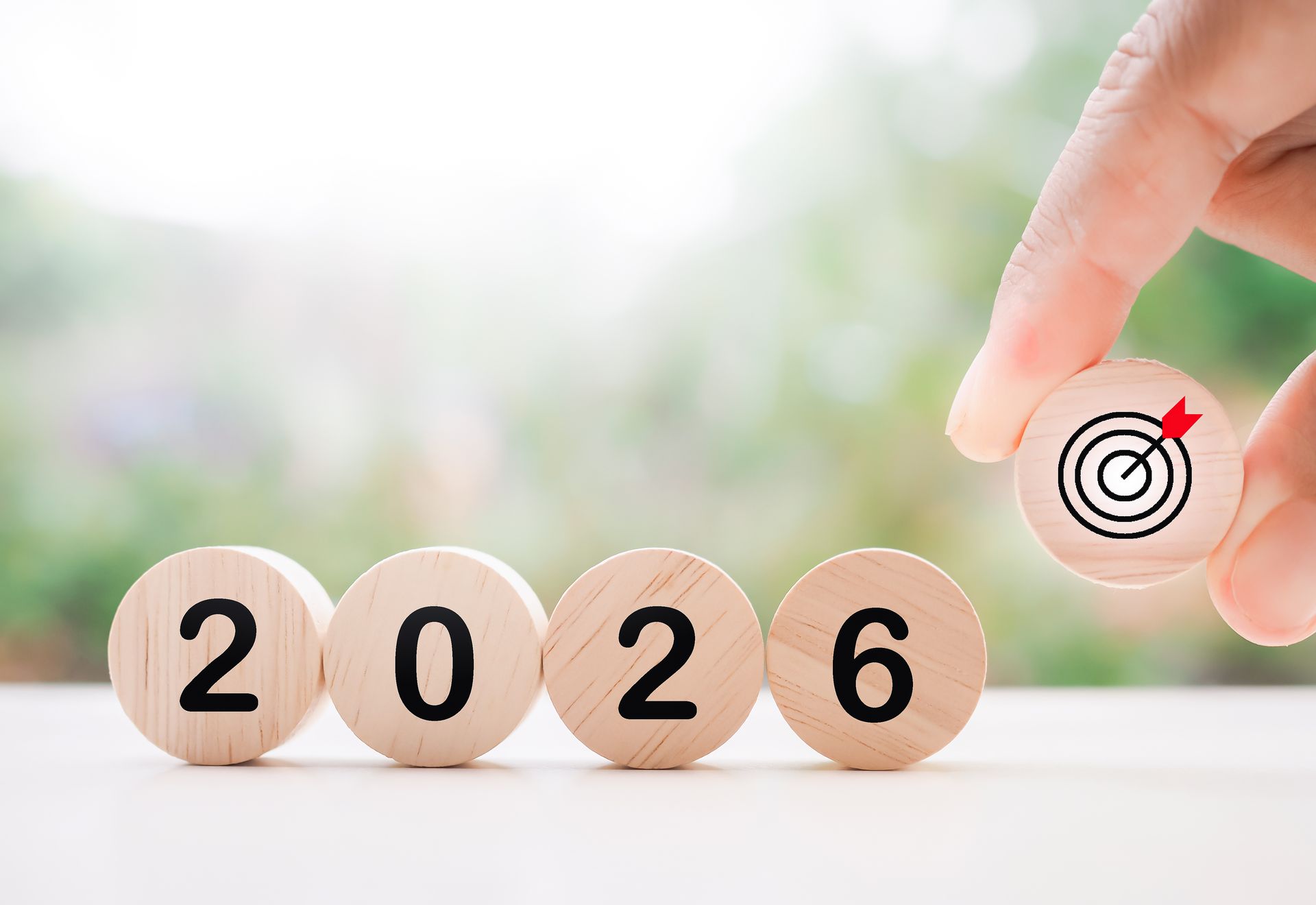
As human beings, we derive meaning from the things that we repeatedly do and that we deem important. Let’s make 2026 the year of arete, the pursuit of your personal excellence, and begin with this mindful reflection:
- What makes you feel most alive?
- In which settings, through which activities, and in the presence of which people are our truest gifts revealed and our deepest desires most fully and consistently expressed?
Take a minute to reflect mentally or on paper, on the people, activities, and places that make you feel most alive. Once you’ve identified them, create a plan to engage with them consistently over the next month. Behavioral psychology shows that practicing a behavior daily for 21 days is often enough to form a new habit and roughly 90 days to make it a lasting one.
Make 2026 the year you intentionally pursue the people, activities, and environments that bring meaning, energy, and fulfillment to your life.
Where are your places?
What are your activities?
Who are your people?
To a healthy, prosperous new year filled with clarity, goodwill, understanding, and love for all. Kalh Xronia! Xo, Dr. Evelyn


 Please wait...