

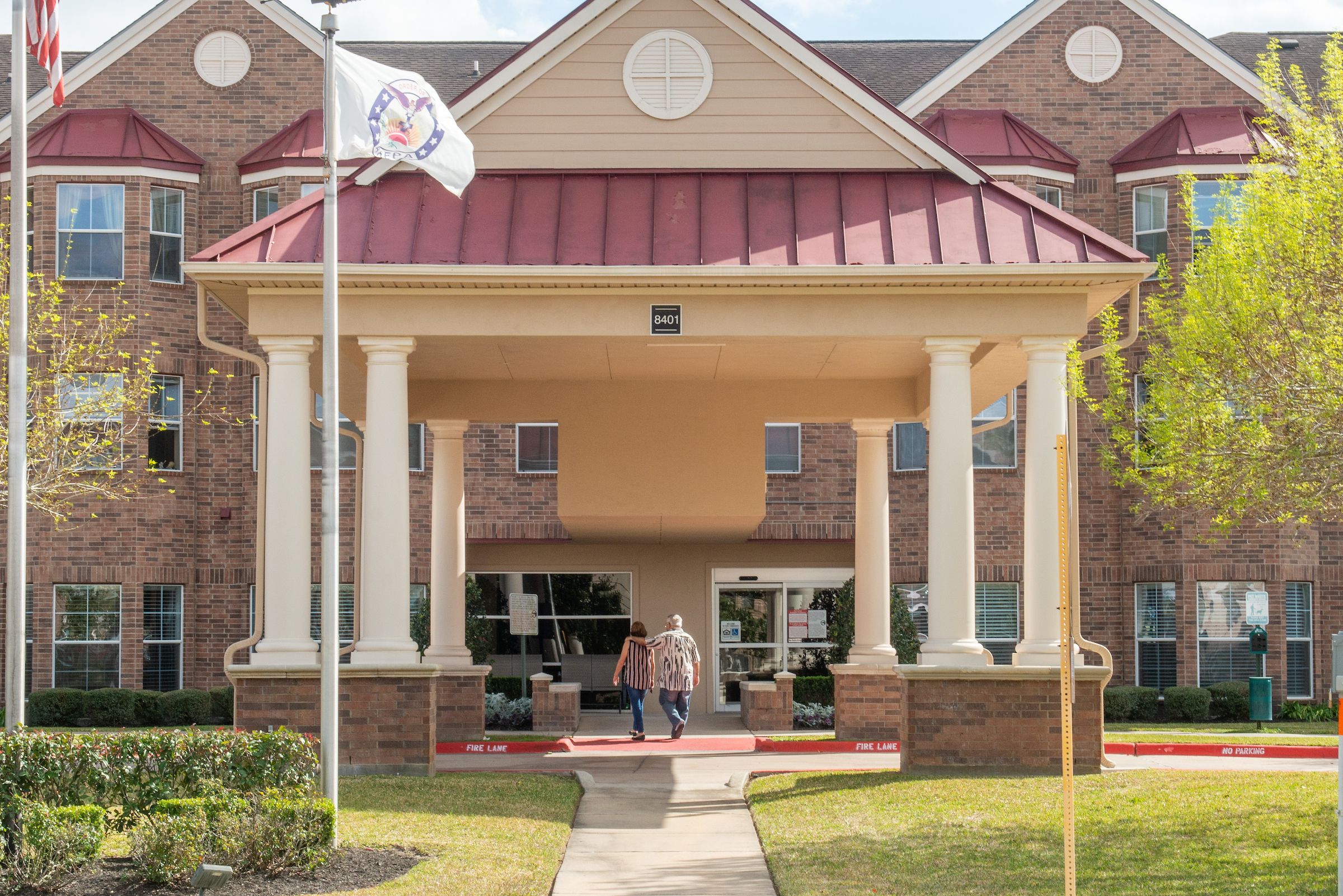

As demand for affordable senior housing reaches historic levels, AHEPA Senior Living continues a mission rooted in Hellenic values of philanthropy, dignity, and service.
By Aphrodite Kotrotsios
As America’s population continues to age, one of the nation’s fastest-growing challenges isn’t simply healthcare, it’s housing.
Millions of older Americans are living longer than previous generations while relying primarily on fixed incomes. Rising housing costs, inflation, and increasing medical expenses have created an affordability crisis that leaves many seniors wondering how and where they will spend their retirement years with dignity and independence.
For thousands of families across the United States, one nonprofit organization has quietly been answering that question for more than four decades.
Founded on the timeless Greek values of philanthropy, family, and service, AHEPA Senior Living has grown into one of America’s largest nonprofit providers of HUD-assisted affordable senior housing, serving more than 5,000 older adults in communities stretching from coast to coast. While its roots are firmly planted within the Greek American community, its mission today reaches people of every background who simply need a safe, affordable place to call home.
In an exclusive interview with the Hellenic News of America, Ike Gulas, Chairman of the Board of AHEPA Senior Living, reflected on the organization’s remarkable history, its expanding national impact, and why affordable senior housing has become one of the defining social issues of our time.
For Gulas, however, the mission is far more than a leadership role, it is deeply personal. His involvement with AHEPA Senior Living began more than three decades ago when he became president of his local AHEPA housing board and oversaw the development of a 72-unit senior apartment community in Hoover, Alabama. Watching his own father navigate the realities of aging, while witnessing the challenges faced by countless seniors, strengthened his commitment to creating safe, affordable housing where older adults can live with dignity and independence.
“As I witnessed my own father’s aging and the issues faced by our seniors, it made my resolve even greater to work to provide solutions for our seniors,” Gulas said. “I am honored to serve such a worthwhile cause both as president of our local housing board and as Chairman of the Board for AHEPA Senior Living.”
A Vision Inspired by Service
Greek Americans have long understood that success carries with it an obligation to give back.
Since its founding in 1922, the American Hellenic Educational Progressive Association (AHEPA) has championed education, philanthropy, civic engagement, and community service. During the early 1980s, a group of visionary AHEPA leaders recognized another pressing need that would only become more urgent with time: affordable housing for America’s aging population.
Working alongside Congress and the U.S. Department of Housing and Urban Development (HUD), they helped establish the nonprofit AHEPA National Housing Corporation through the federal Section 202 Senior Housing Program, creating opportunities for older adults with limited incomes to live safely and independently.
That vision has flourished beyond anything its founders could have imagined.
Today, AHEPA Senior Living owns and manages 89 HUD-assisted senior housing communities in 19 states, providing nearly 4,700 affordable apartments, while also operating four affordable assisted living communities in Indiana totaling more than 500 additional residences.
Altogether, the organization serves well over 5,000 seniors throughout the United States.
“Our mission has always been to provide safe, dignified housing for very low-income older adults,” Gulas explained. “As we’ve grown, that mission has expanded beyond housing alone. Today we focus on helping seniors live independently, age in place, and truly thrive within their communities.”
More Than Affordable Housing
For many Americans, the phrase “affordable senior housing” is often misunderstood.
Unlike traditional apartment communities, AHEPA Senior Living’s HUD-assisted properties are specifically designed for adults who are at least 62 years old and meet federal income qualifications.
Residents typically pay only 30 percent of their adjusted monthly income toward rent, with HUD providing rental assistance that covers the remaining cost.
The average resident earns approximately $1,250 per month, making affordable housing not simply a financial benefit but a necessity.
“For many seniors living on Social Security, affordability isn’t just a buzzword,” Gulas said. “It means they don’t have to choose between paying rent, purchasing medications, or buying groceries.”
That financial stability provides something equally valuable: peace of mind.
Combating One of America’s Greatest Senior Health Challenges
Housing, however, is only part of the equation.
Loneliness has emerged as one of the greatest public health concerns affecting older adults.
Research has consistently linked prolonged social isolation to depression, cognitive decline, cardiovascular disease, and reduced overall health outcomes.
At AHEPA Senior Living, those realities are impossible to ignore.
According to the organization, 88 percent of residents live alone.
Recognizing that affordable housing must also foster meaningful human connection, AHEPA Senior Living has built communities where residents are encouraged to remain active, engaged, and connected.
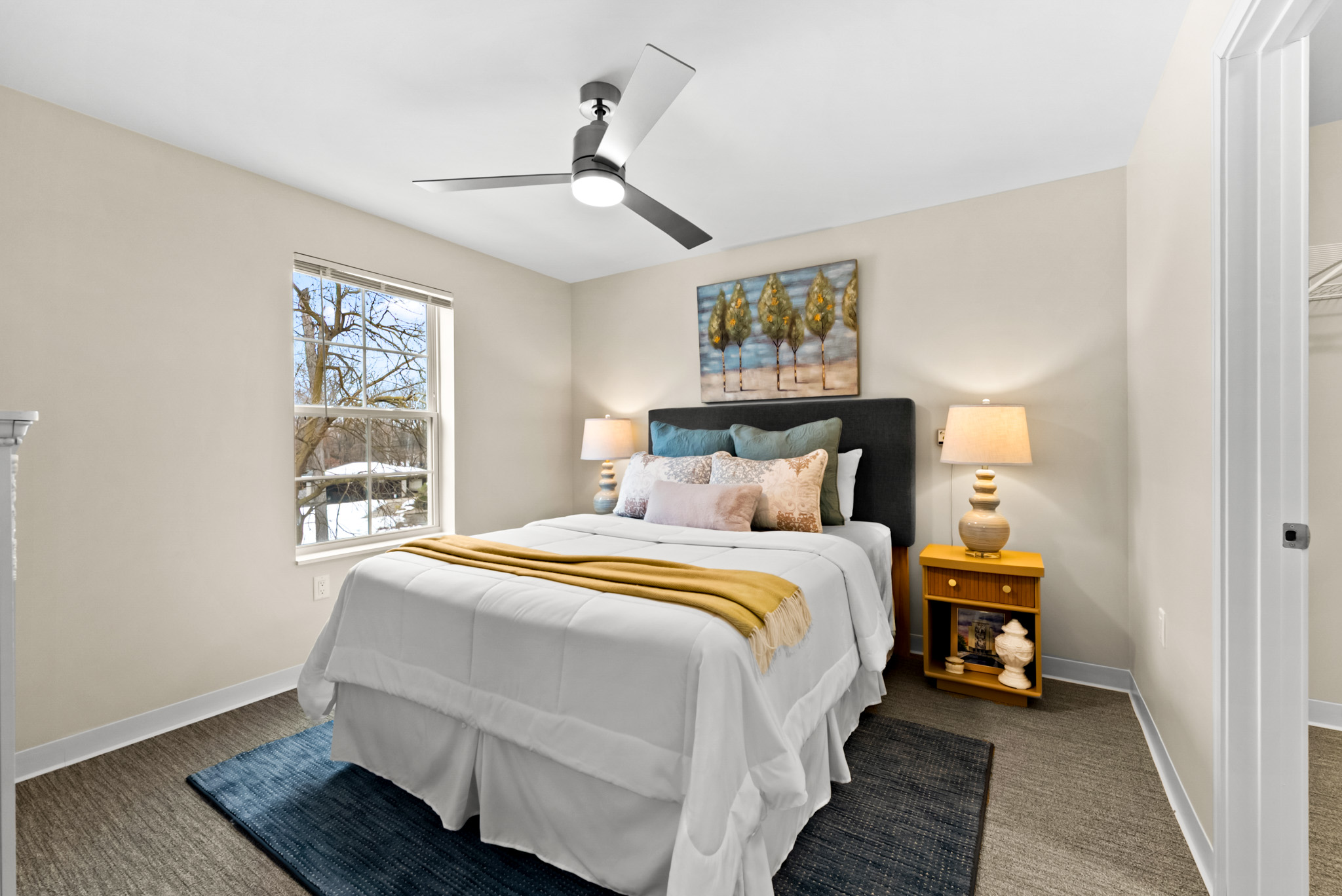
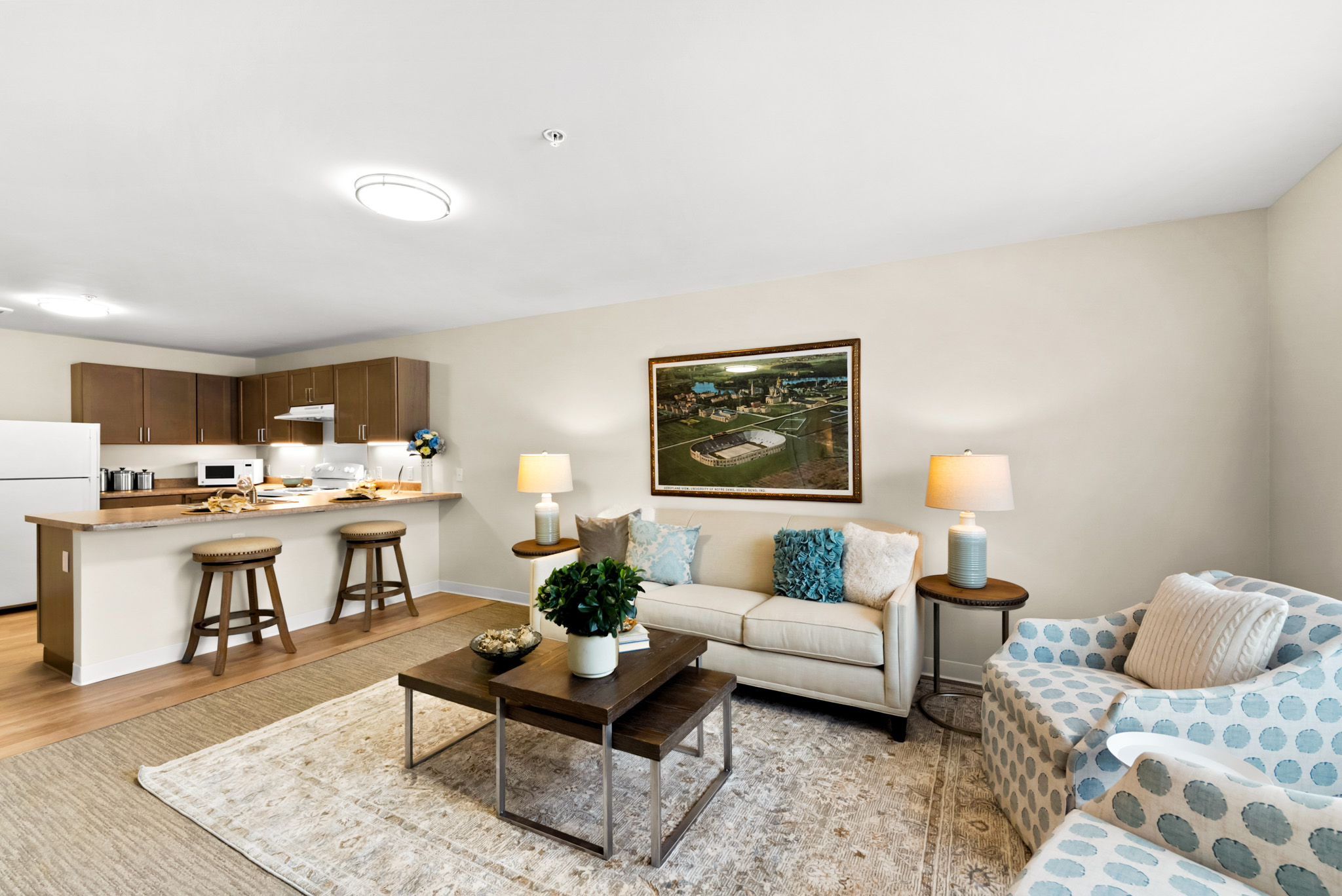
Community rooms host celebrations throughout the year. Libraries, fitness areas, wellness programs, chair yoga, educational seminars, movie nights, music performances, health fairs, art classes, and volunteer activities create opportunities for friendships to flourish.
Equally important are the organization’s professional service coordinators.
These dedicated professionals help residents navigate healthcare resources, transportation services, nutritional assistance, community programs, and social services that allow seniors to remain independent for as long as possible.
“Our goal isn’t simply to provide an apartment,” Gulas explained. “Our goal is to help people continue living full, meaningful lives.”
The Difference Is Community
While beautiful apartments and affordable rent are important, Gulas believes the organization’s greatest strength lies elsewhere.
“What truly makes AHEPA Senior Living different is our people.”
Each HUD-assisted community benefits from local volunteer boards comprised primarily of members of AHEPA and the Daughters of Penelope.
These volunteers organize holiday dinners, cookouts, cultural celebrations, food drives, wellness events, and countless activities that transform apartment buildings into vibrant neighborhoods.
“They’re much more than volunteers,” Gulas said. “They become neighbors, friends, and for many residents, an extension of family.”
That sense of community extends well beyond the walls of each residence. Local businesses, organizations, and volunteers frequently step forward to support residents in meaningful ways. At AHEPA 3 Apartments in Hoover, Alabama, where Gulas serves as president, Trader Joe’s donates fresh vegetables and produce each week for residents to enjoy in the community room. Similar acts of generosity can be found throughout AHEPA Senior Living communities across the country, reflecting the organization’s belief that successful senior housing is built not only on quality housing, but also on caring neighbors and lasting community partnerships.
That philosophy reflects one of the most cherished concepts within Greek culture: serving others with compassion, generosity, and Meraki, putting one’s heart and soul into every endeavor.
Welcoming Everyone
Although AHEPA Senior Living was founded by one of America’s most respected Greek American organizations, its communities welcome all qualified residents.
As a federally assisted housing provider, AHEPA Senior Living complies fully with Fair Housing and ADA regulations, serving individuals regardless of race, religion, ethnicity, or national origin.
Today, residents represent more than 80 countries of origin, creating communities enriched by diversity while remaining guided by the Hellenic ideals of dignity, respect, philanthropy, and service.
“It is incredibly rewarding to bring together people from so many different backgrounds while remaining true to the values that inspired our founders,” Gulas said.
America’s Affordable Senior Housing Crisis
Despite decades of success, the organization’s future is being shaped by a sobering reality.
Demand has never been higher.
Across its nationwide portfolio, AHEPA Senior Living currently maintains a waiting list of approximately 5,500 seniors, more applicants than the total number of apartments it currently operates.
Depending on the community, prospective residents may wait anywhere from six months to three years before housing becomes available.
At the same time, many existing Section 202 properties are now more than two decades old and require significant modernization.
Gulas also expressed concern over declining federal investment in constructing new affordable senior housing communities, noting that demand continues to dramatically outpace supply.
“The need continues to grow,” he said. “We must continue advocating for greater investment in affordable housing so future generations of seniors have the same opportunities.”
Beyond Housing: Giving Back
The spirit of philanthropy extends well beyond the organization’s residential communities.
Since 1996, AHEPA Senior Living has awarded more than $10 million in grants supporting nonprofit organizations serving older adults, veterans, educational initiatives, healthcare, domestic violence survivors, and numerous community organizations.
Recently, the nonprofit earned Candid’s Platinum Seal of Transparency, recognizing its commitment to accountability, ethical governance, and responsible stewardship.
The organization has also expanded innovative partnerships, including work with KultureCity®, helping create more welcoming and inclusive environments for residents, families, and visitors with sensory needs.
Planning Ahead
For families considering senior housing for parents, or even themselves, Gulas offers one simple but important piece of advice:
“Don’t wait.”
Because affordable housing waiting lists continue to grow nationwide, he encourages families to begin exploring communities well before housing becomes an immediate necessity.
Visiting communities, understanding eligibility requirements, and beginning the application process early allows families to make thoughtful decisions rather than being forced into rushed choices during times of crisis.
A Personal Legacy of Service
For the Greek American community, AHEPA Senior Living represents something larger than bricks and mortar.
It is the continuation of a century-old tradition of philanthropy that has strengthened countless communities throughout America.
At a time when millions of older adults face uncertainty about where they will live, organizations rooted in compassion remind us that caring for our elders is not merely a housing issue, it is a reflection of who we are as a society.
Every apartment built, every meal shared, every friendship formed, and every life enriched reflects the vision of those early AHEPA leaders who believed that service to others is among life’s highest callings.
For Gulas, that vision has become a lifelong commitment spanning more than three decades. What began with helping develop a single senior apartment community in Hoover, Alabama, has evolved into a mission of ensuring that older adults across America have access not only to affordable housing, but to communities where they can live with dignity, purpose, and a genuine sense of belonging.
As America’s senior population continues to grow, so too does the importance of preserving that vision.
“Every older adult deserves the opportunity to age with dignity, independence, and a sense of belonging,” Gulas said.
For more than forty years, AHEPA Senior Living has worked to ensure that opportunity remains within reach, not only for Greek Americans, but for thousands of seniors across the nation who simply seek a safe place to call home.




 Please wait...