Our Academic Committee is made up of prominent university faculty members from throughout the United States. The experience of these educators helps to ensure that our evaluation process maintains a high level of professionalism, transparency, and fairness.
We are so pleased to welcome Dr. Dimiter Angelov, Dr. Maria Kaliambou, and Dr. Stavroula Sofou to our Academic Committee:
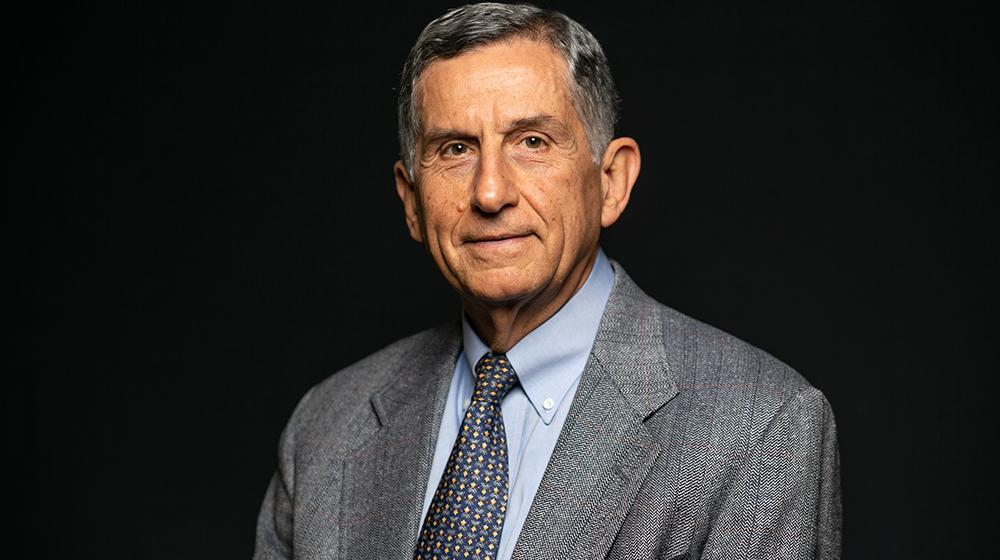
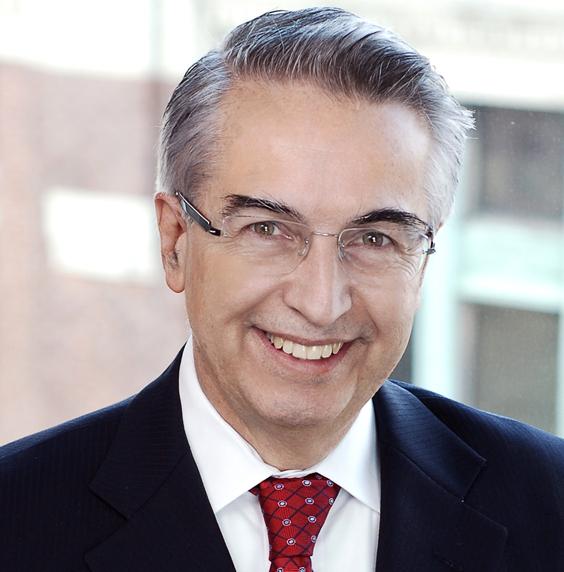
Dimiter Angelov, PhD, Dumbarton Oaks Professor of Byzantine History, Harvard University
He joined the Harvard History Department after over a decade-long career as a researcher, lecturer, and professor at the Centre for Byzantine, Ottoman and Modern Greek Studies of the University of Birmingham. His research and teaching focus on the intellectual, political, and institutional history of the Byzantine Empire. His diverse scholarly interests include empire and imperialism, the history of political thought and rhetoric, biography, geographical thought and imagination, and the impact of the Fourth Crusade on the Byzantine world. He supervises students interested in any aspect of Byzantine and medieval Balkan and eastern Mediterranean history. He is the author of Imperial Ideology and Political Thought in Byzantium, 1204-1330 (Cambridge, 2007) and The Byzantine Hellene: The Life of Emperor Theodore Laskaris and Byzantium in the Thirteenth Century (Cambridge, 2019).
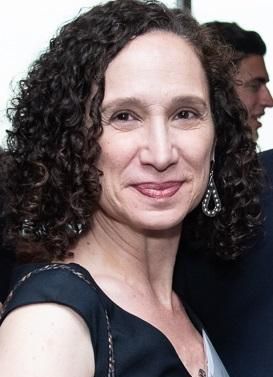
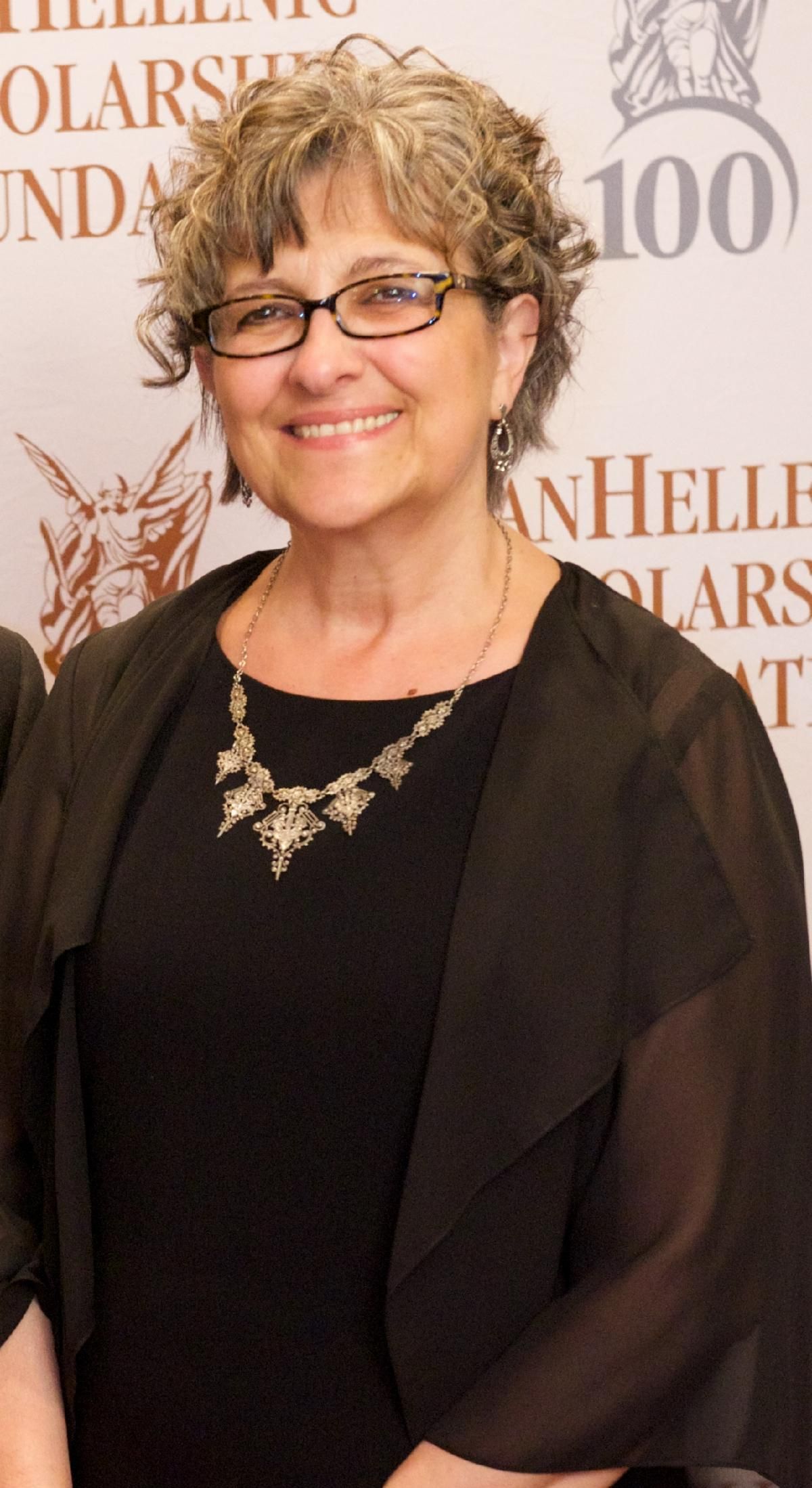
Maria Kaliambou, PhD, Senior Lector in Hellenic Studies, Yale University
Dr. Kaliambou earned her B.A. in History and Archaeology at the University of Thessaloniki, Greece, and her Ph.D. in Folklore Studies at the University of Munich, Germany. She held post-doctoral positions at the University Charles-de-Gaulle Lille 3 and in Princeton University. In 2006, her dissertation received the “Lutz Röhrich prize” in Germany as the best dissertation in oral literature, and in 2011 the European Commission elected her as “Erasmus Student Ambassador of Greece”. In 2006 she published her first book Home – Faith – Family: Transmission of Values in Greek Popular Booklets of Tales (1870-1970) (in German), and in 2015 The Routledge Modern Greek Reader. Greek Folktales for Learning Modern Greek, Routledge. She is currently working on her third book with the tentative title “The Book Culture of Greek Americans”. Her research focuses on the dialogue between folklore and book history, particularly in the diaspora. Also, she is interested in foreign language pedagogy, especially teaching Modern Greek.
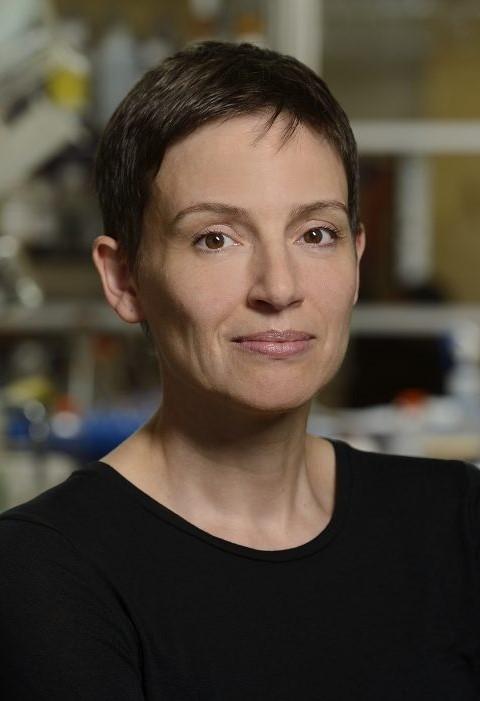
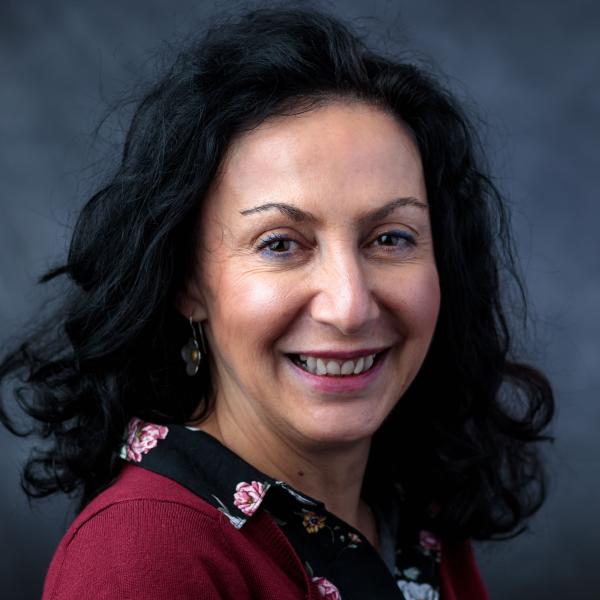
Stavroula Sofou Associate Professor of Chemical and Biomolecular Engineering Johns Hopkins University
Stavroula Sofou is an associate professor of Chemical and Biomolecular Engineering at the Whiting School of Engineering. Prof. Sofou’s research interests revolve around fundamental studies of lipid bilayers, with applications to drug delivery. She harnesses intermolecular and interfacial interactions of self-assembling materials in a biological setting, and, combining this knowledge with engineering principles, she designs successful devices to promote human health. Translational research on testing and optimization of these devices, as both diagnostics and therapeutics for medical applications, are her special interest. Stavroula Sofou received the Research Scholar Grant of the American Cancer Society as well as awards from the Coulter foundation, Susan G. Komen, and NYSTAR.
Thank you, Dr. Angelov, Dr. Kaliambou & Dr. Sofou for your dedication to education and Hellenism! Together, along with the following individuals, they comprise our extraordinary Academic Committee:
Tassos Malliaris, PhD
Academic Committee Chair
Walter F. Mullady, Sr. Professor of Economics and Finance, Loyola University Chicago
Lia Alexopoulos, MA
Lecturer in Art, Lake Forest College
Sharon Gerstel, PhD
George P. Kolovos Family Centennial Term Chair in Hellenic Studies,
Professor of Byzantine Art & Archaeology, Director of the UCLA Stavros Niarchos Foundation Center for the Study of Hellenic Culture, University of California, Los Angeles
Gregory Prastacos, PhD
Dean, School of Business, Professor of Management Science, Stevens Institute of Technology
Georgia Sfondouris Mitchell, MFA
Music Educator and Music Director
Anita Skarpathiotis, MA
Senior Lecturer of Modern Greek Studies, University of Illinois at Chicago
Thanasis Economou, PhD,
Academic Committee Member Emeritus
Senior Scientist, Enrico Fermi Institute, University of Chicago
Anastasia Giannakidou, PhD,
Professor, Department of Linguistics; Director, Center for Hellenic Studies; Co-Director, Center for Gesture, Sign, and Language, University of Chicago
For serving on our Academic Committee for the past 5 years.
The copyrights for these articles are owned by HNA. They may not be redistributed without the permission of the owner. The opinions expressed by our authors do not necessarily reflect the opinions of HNA and its representatives.
To provide the best experiences, we use technologies like cookies to store and/or access device information. Consenting to these technologies will allow us to process data such as browsing behavior or unique IDs on this site. Not consenting or withdrawing consent, may adversely affect certain features and functions.
Functional
Always active
The technical storage or access is strictly necessary for the legitimate purpose of enabling the use of a specific service explicitly requested by the subscriber or user, or for the sole purpose of carrying out the transmission of a communication over an electronic communications network.
Preferences
The technical storage or access is necessary for the legitimate purpose of storing preferences that are not requested by the subscriber or user.
Statistics
The technical storage or access that is used exclusively for statistical purposes.The technical storage or access that is used exclusively for anonymous statistical purposes. Without a subpoena, voluntary compliance on the part of your Internet Service Provider, or additional records from a third party, information stored or retrieved for this purpose alone cannot usually be used to identify you.
Marketing
The technical storage or access is required to create user profiles to send advertising, or to track the user on a website or across several websites for similar marketing purposes.








 Please wait...